About the artist
Gérard Victor Alphons “Gé” Röling (1904–1981) was a distinguished Dutch painter, graphic artist, and influential art educator whose work was deeply rooted in the traditions of Naturalism and classical realism. Born in the Netherlands, Röling developed a highly refined and meticulous painting style inspired by the techniques of the Old Dutch Masters of the fifteenth and sixteenth centuries, as well as by modern realist painters such as Raoul Hynckes. His paintings are celebrated for their atmospheric precision, rich tonal depth, and exceptional craftsmanship.
Röling studied at the prestigious Rijksakademie van Beeldende Kunsten in Amsterdam between 1927 and 1931, where he later returned as a professor. From 1939 until 1969, he played a significant role in shaping post-war Dutch art education, teaching generations of artists at the academy. Among his students were prominent members of the avant-garde CoBrA movement, including Corneille and Karel Appel, although Röling himself remained committed to figurative and traditional painting practices.
A perfectionist in both technique and material, Röling became renowned for producing his own paints and oils by hand, carefully crafting pigments according to methods reminiscent of the Old Masters. His unique recipes were recorded in a secret coded language, the key to which was entrusted only to his daughter, the celebrated Dutch artist Marte Röling. This almost alchemical devotion to materials contributed to the remarkable luminosity and durability of his paintings.
Throughout his career, Röling specialised in portraits, landscapes, and still lifes, combining technical mastery with a restrained emotional intensity. His works often display an extraordinary sensitivity to texture, light, and composition, bridging historical craftsmanship with twentieth-century realism. Today, Gé Röling is remembered not only as a gifted painter, but also as an influential mentor who preserved and transmitted classical artistic techniques during a period dominated by modernist experimentation.
Artworks
Filter Artworks
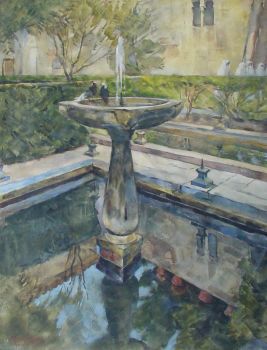
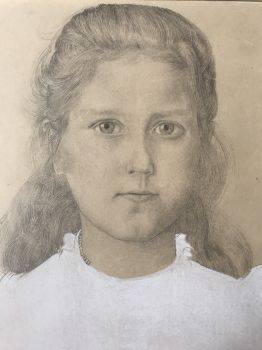
1 artwork for sale by Gerard Victor Alphons Röling

Related artworks for sale






Louis Visser
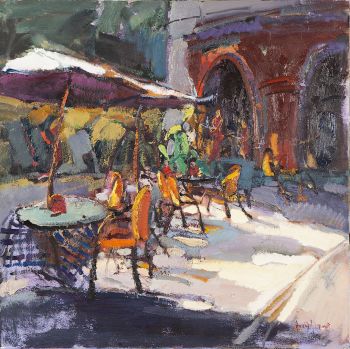
Amsterdam – Museumplein met het Concertgebouw2000 - 2020
Price on requestBruning Heintz Fine Art