About the artist
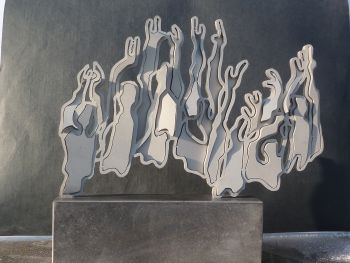
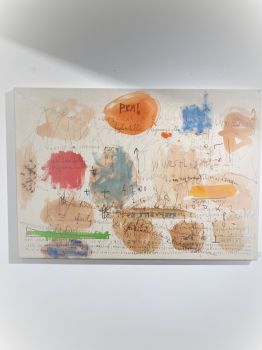
Heri Dono, born on 12 June 1960 in Jakarta, is one of the most influential and internationally recognized Indonesian artists. As a painter, sculptor and installation artist, he combines traditional Indonesian art forms with experimental and often humorous socio-political commentary. His work is a playful but sharp reflection on power structures, globalization and cultural identity.
From Tradition to Innovation
Dono studied art at the Indonesian Institute of the Arts in Yogyakarta, where he was influenced by both Western avant-garde and the rich Indonesian traditions. His fascination with wayang kulit, the traditional shadow play from Java, became one of the core aspects of his oeuvre. By translating this age-old narrative form into modern installations and paintings, he created a unique artistic language in which satire and social criticism are central.
Art as Politics and Spectacle
His work is imbued with playfulness and absurdism, but beneath the surface lies a serious message. Dono often uses distorted, grotesque figures and surreal scenes to critique abuses of power and social inequality. His installations, often kinetic and interactive, invite the viewer to reflect on political themes without the message feeling preachy. This has earned him not only fame within Indonesia, but also a reputation as an artist who brings together Western and non-Western art concepts in innovative ways.
International Recognition
Dono’s work has found its way into leading biennales and museums worldwide, including the Venice Biennale, the Gwangju Biennale and exhibitions at Tate Modern and the Guggenheim Museum. He is a pioneer in Indonesian contemporary art and has influenced generations of young artists with his groundbreaking approach.
A Living Heritage
Heri Dono continues to experiment and innovate. His art transcends traditional disciplines and remains relevant in a world that is constantly changing. By merging the spirit of wayang with contemporary technology and social reflections, he has created a narrative of his own that is as timeless as it is topical. His work is not only a window into Indonesian culture, but also a mirror for the world we live in.
Artworks
Filter Artworks
1 artwork for sale by Heri Dono