About the artist
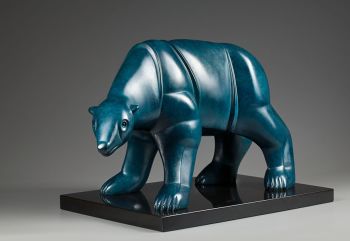
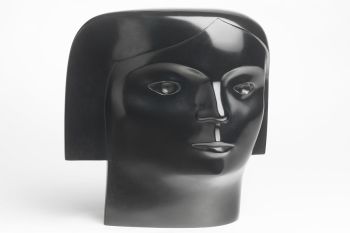
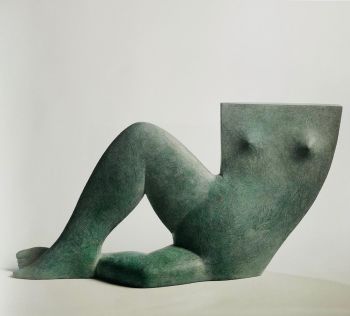
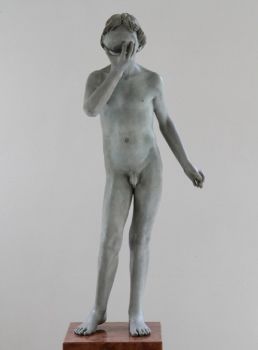
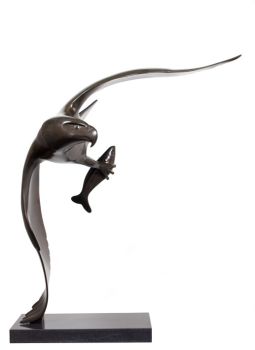
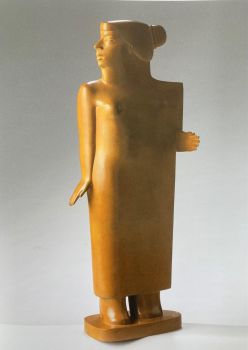
Theo van de Vathorst grew up in Utrecht, the city that would profoundly influence his life and work. From a young age, he was drawn to the layered nature of forms and the power of stories that could be captured in stone or bronze. In the 1950s and 1960s, he found his niche in sculpture, a period when tradition and innovation intersected. He chose a language of simplicity and monumentality, often centered on human figures. His sculptures appear accessible and recognizable, yet simultaneously carry a certain weight, as if reviving age-old themes.
Van de Vathorst created work that did not remain confined to the confines of a studio, but sought out public spaces. Squares, churches, and cemeteries became places where his sculptures breathed into everyday life. He became known, among other things, for his religiously inspired art, guided not by dogma, but by the human experience of solace, silence, and community. His crucifixes, Madonnas, and monuments reveal a restrained devotion that is both timeless and personal. He also had a keen eye for craftsmanship. The hand of the maker is visible in his work, not smoothed, but tangible and warm. He saw sculpture not only as an aesthetic, but also as a means of connection: between past and present, between the earthly and the spiritual.
Theo van de Vathorst remained active and involved well into his old age, both as an artist and in Utrecht's cultural life. His oeuvre forms a silent dialogue with the city and with the people who pass by his sculptures daily. It is art that doesn't impose itself, but invites tranquility, and has thus earned a lasting place in the Dutch art landscape.