Will Leewens (born Willibrordus Joseph Leeuwens on March 20, 1923, in the Netherlands) was a leading Dutch abstract painter and sculptor associated with the Nieuwe Haagse School. Working primarily in The Hague, he played an important role in the postwar development of modern abstract art in the Netherlands.
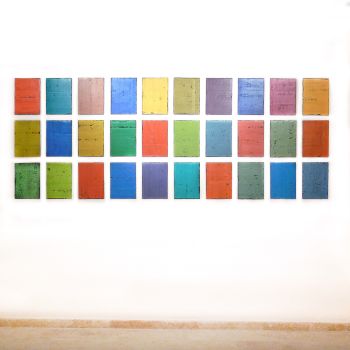
Leewens began his artistic career in the years following the Second World War, initially creating colorful geometric abstractions influenced by major European modernists such as Piet Mondrian, Paul Klee, and the broader traditions of constructivism and lyrical abstraction. His early works are marked by rhythmic compositions, vibrant color contrasts, and a strong sense of spatial balance.
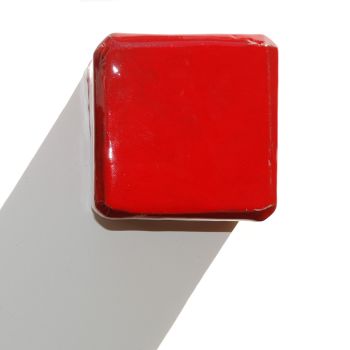
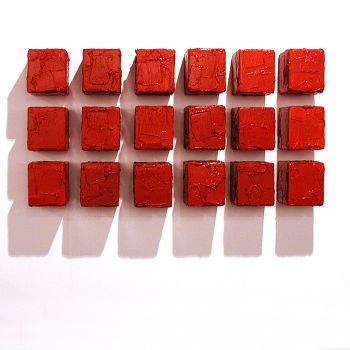
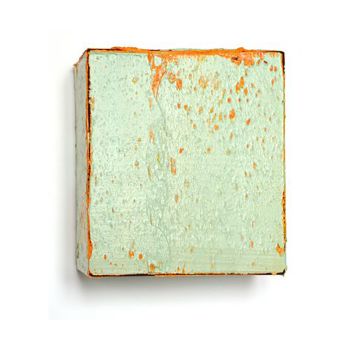
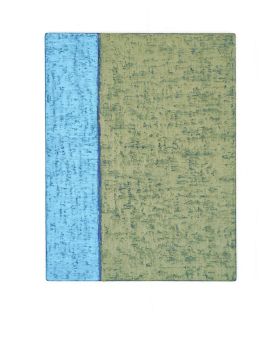
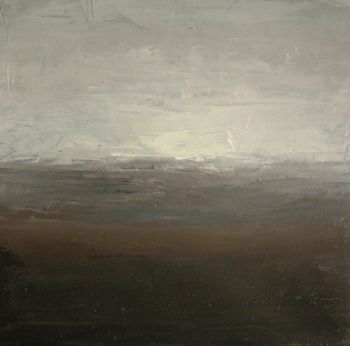
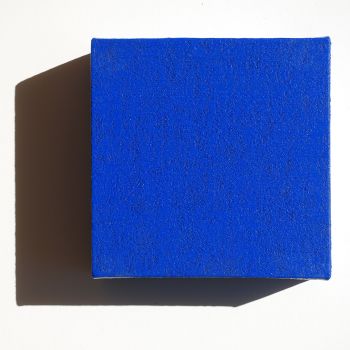
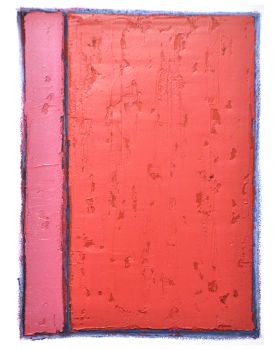
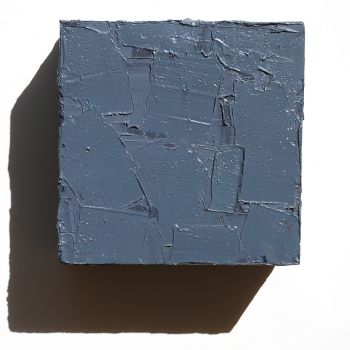
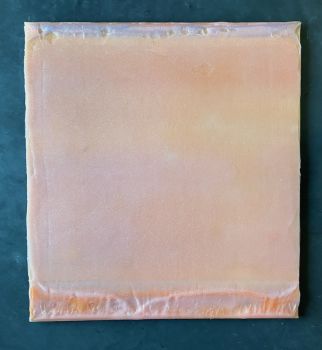
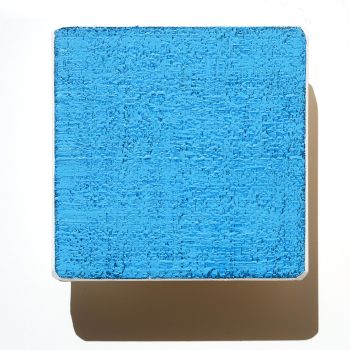
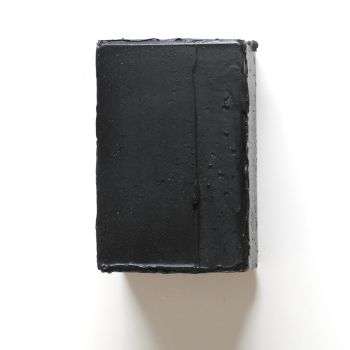
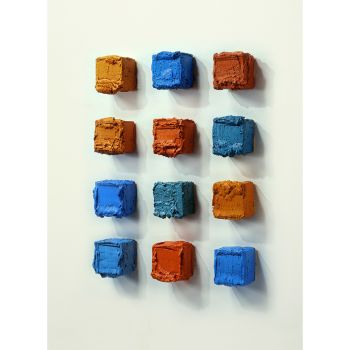
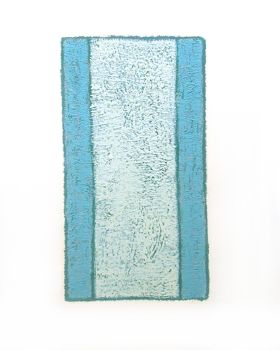
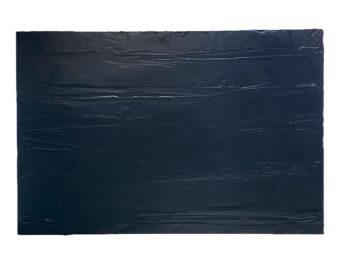
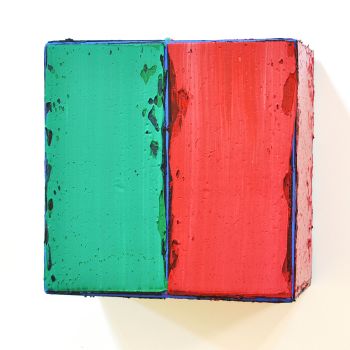
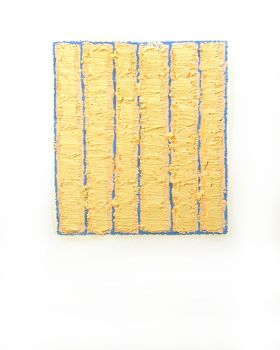
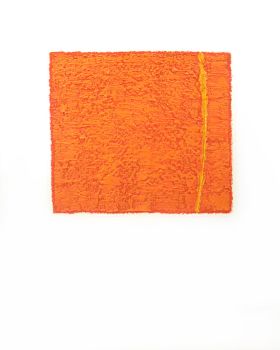
During the 1950s and 1960s, Leewens evolved toward a more tactile and expressive visual language. He became especially known for his so-called “matter paintings,” in which heavily textured surfaces, layered pigments, sand, and mixed materials created works with a strong physical presence. These paintings moved beyond purely geometric abstraction and explored the emotional and material qualities of paint itself. This development aligned him with broader European postwar tendencies such as Art Informel and Tachisme, while still maintaining the restrained sensibility characteristic of Dutch modernism.
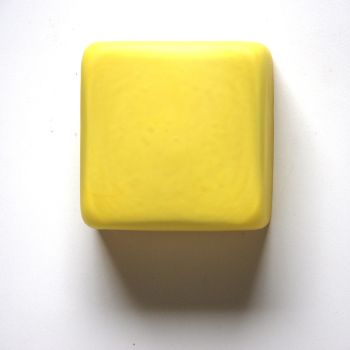
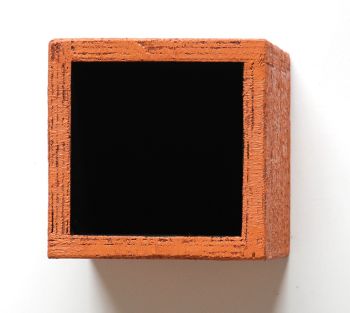
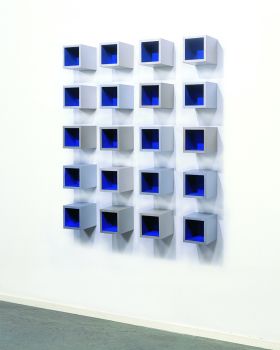
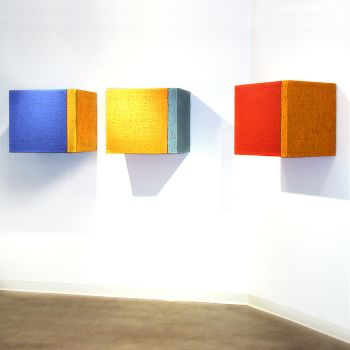
In addition to painting, Leewens was active as a sculptor, translating many of his abstract ideas into three-dimensional forms. His sculptures often echoed the same balance between structure and spontaneity found in his canvases.
Throughout his career, Leewens exhibited widely in the Netherlands and contributed significantly to the artistic identity of The Hague’s postwar avant-garde scene. Today, his work is appreciated for its combination of geometric clarity, material experimentation, and understated emotional depth, securing his place among the notable figures of twentieth-century Dutch abstract art.