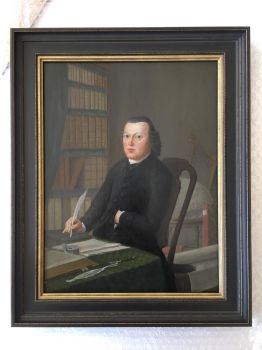
Pieter Barbiers II (1749–1842) was an Amsterdam painter and decorator, known for his exceptionally long career and his role in keeping the theatrical painting tradition alive in the Netherlands. Born into an artistic family in Amsterdam—his father Pieter Barbiers I was also a painter—Barbiers II grew up in a world where art, theater, and craftsmanship merged.
Pieter was immersed in studio life from an early age. Under his father’s tutelage, he developed a keen sense of composition, perspective, and dramatic effects—skills that were essential in the world of theater decor. In the second half of the 18th century, when the theater was one of the most important forms of popular entertainment, the demand for imposing, realistic decors flourished, and Barbiers soon became one of the most sought-after painters in this genre.
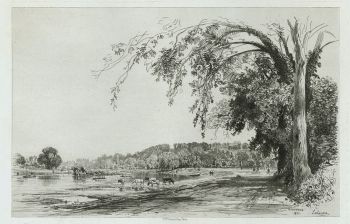
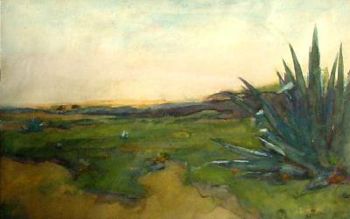
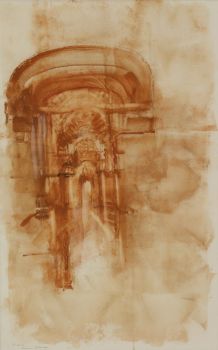
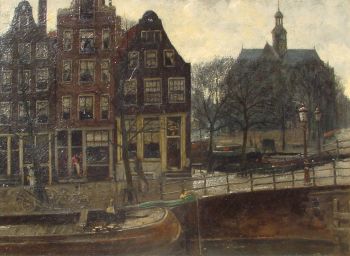
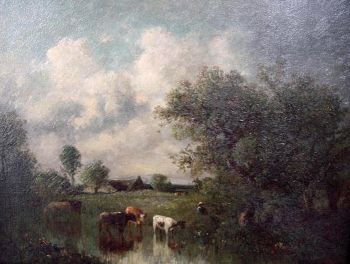
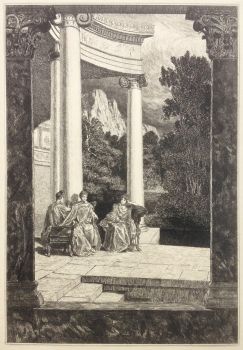
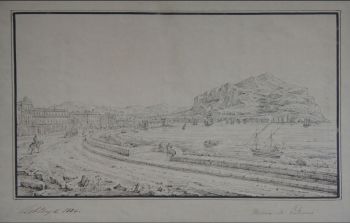
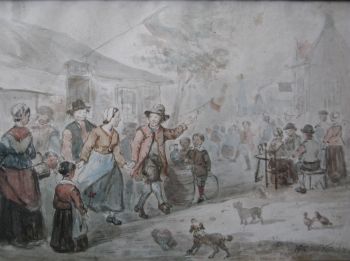
Barbiers II specialized in large-scale stage sets for Amsterdam theaters, but his oeuvre also included paintings of cityscapes, landscapes, and architectural fantasies. His work was praised for its accurate depiction of space and atmosphere, giving viewers the feeling of literally stepping into another world.
What makes Pieter Barbiers II special is the enormous span of time in which he remained active: he worked on various commissions for more than sixty years, while the art world around him changed radically. He was able to adapt his style to new tastes, without denying his craftsmanship. His later works sometimes betray influences of the emerging Romantic sentiment, with more emphasis on emotion and the experience of nature.
In addition to his own productive career, Barbiers also trained a next generation of artists, including his children. In doing so, he continued the artistic dynasty of the Barbiers family, which would remain active for several generations.
Pieter Barbiers II died in 1842 at the age of 92 in his native city of Amsterdam — a city that he had not only captured with his brush, but had also literally helped shape on stage.
Today his paintings and designs are rare, but they form an important link in the history of Dutch theatre and the art of illusion painting.