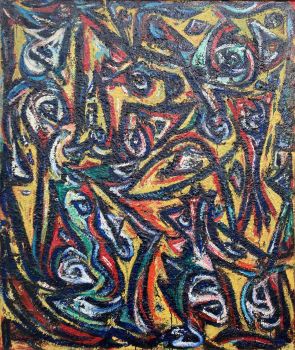
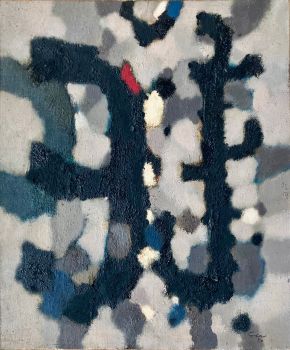
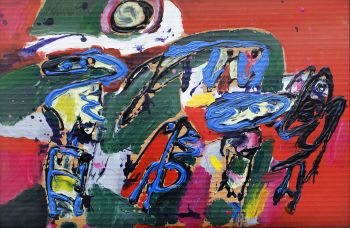
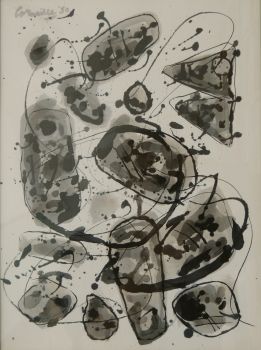
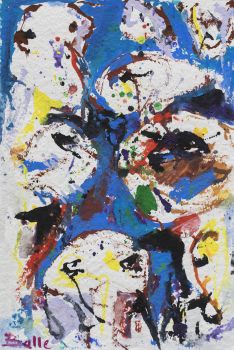
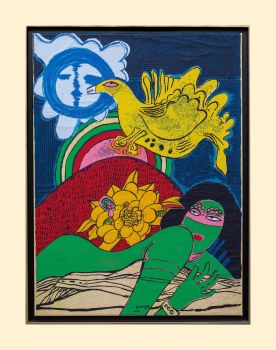
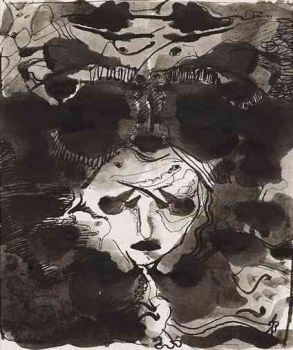
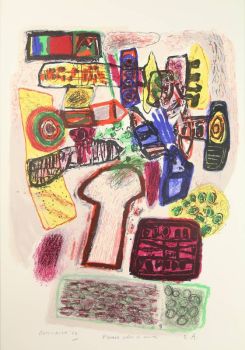
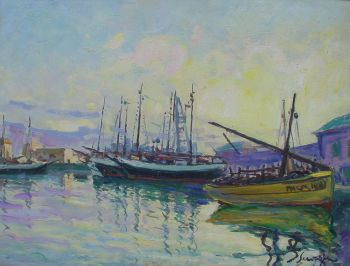
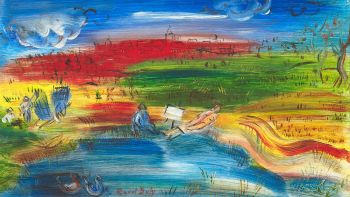
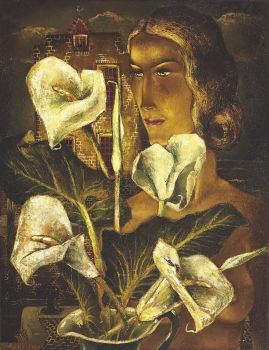
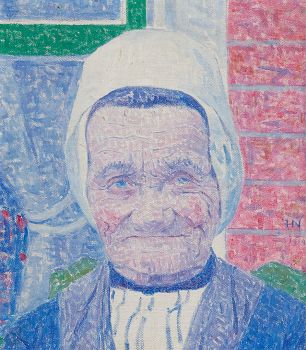
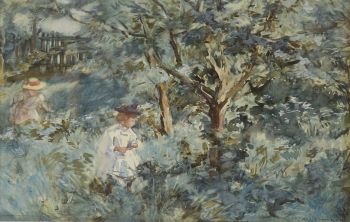
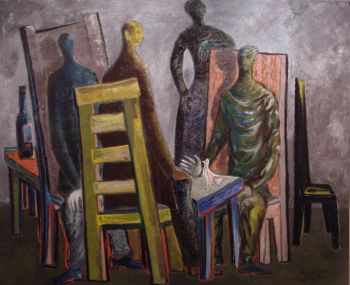
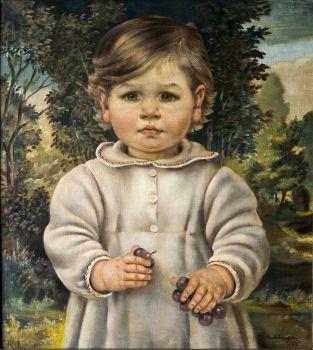
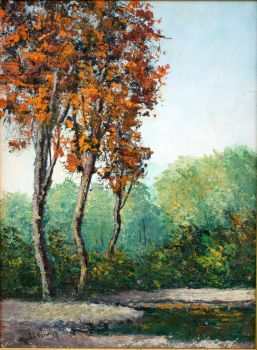
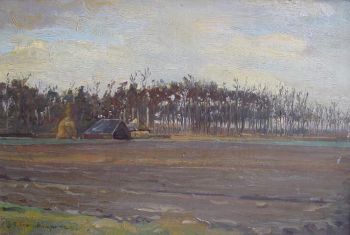
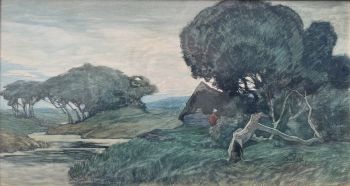
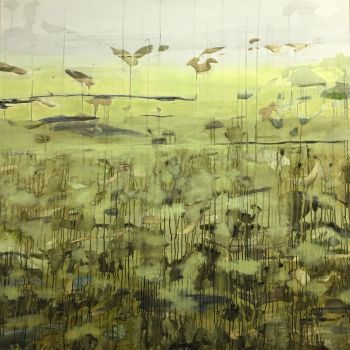
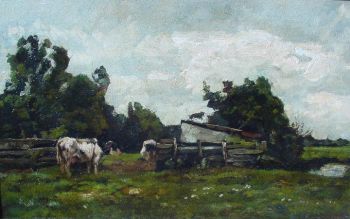
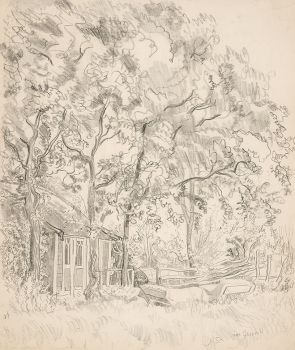
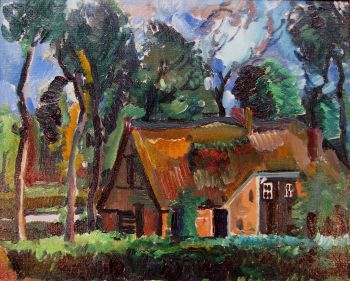
After Amsterdam and The Hague, the artist Klaas Boonstra settled in 1972 with his wife Rietje Figee in the village of Schore in Zuid-Beveland. In this self-chosen seclusion he would live and work there for more than 25 years. From an early age, Klaas Boonstra was busy drawing and painting. At the age of 26, with financial support from the director of the local linoleum factory, he was able to attend the Rijksacademie in Amsterdam, where he was taught by J.H. Jurres and studied monumental art with the famous glazier Heinrich Campendonk. During the war he was active in the Amsterdam resistance and was forced to go into hiding.
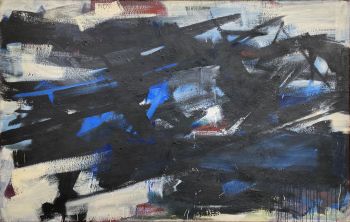
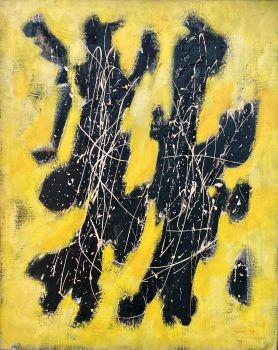
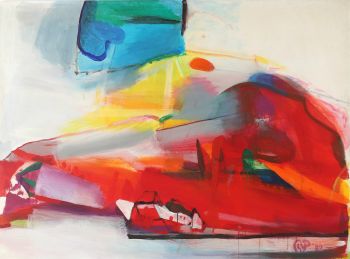
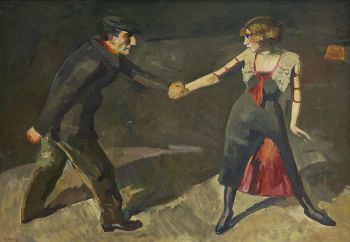
After the war, he worked in expressive fresh colours and was influenced by important French masters such as Picasso and Matisse. When he decided to settle in Zeeland, he was already an established artist and was counted among the post-war Amsterdam 'Experimentals', such as Appel, Brands, Constant and Wolvencamp. Stubborn as he was, he did not join them. He did participate in exhibitions of exhibition associations such as De Keerkring and Stuwing. In 1951, he finally became a member of the 'Vereniging tot bevordering van de Absolute Kunst' (Association for the Promotion of Absolute Art) Creatie.
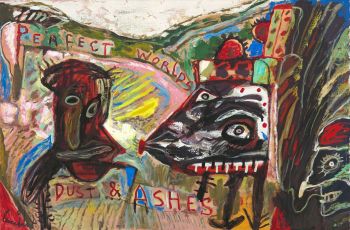
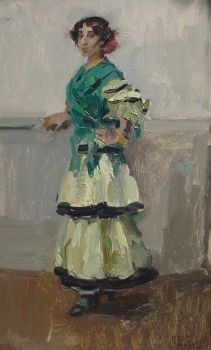
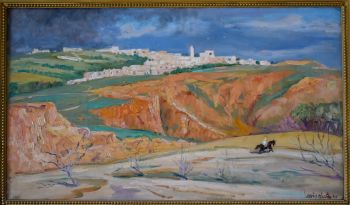
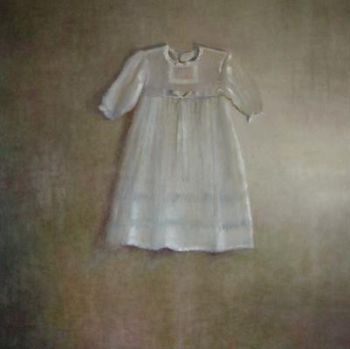
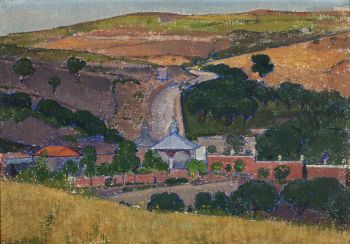
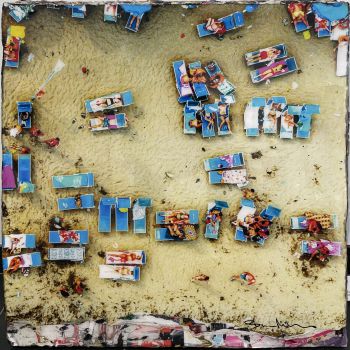
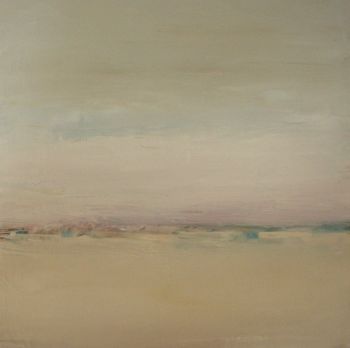
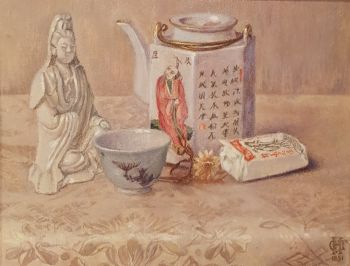
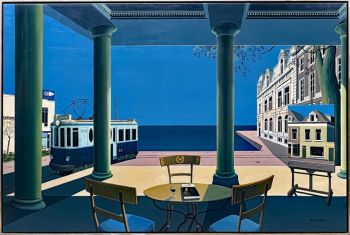
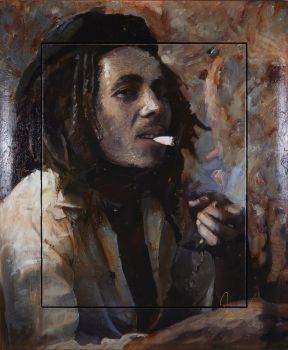
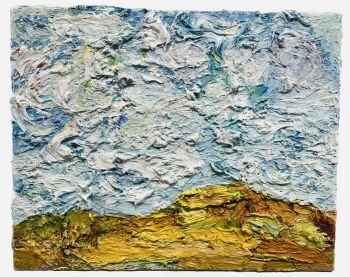
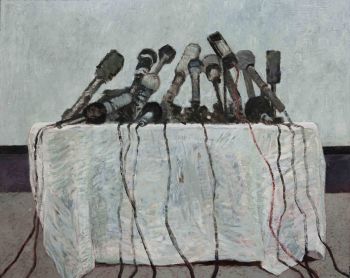
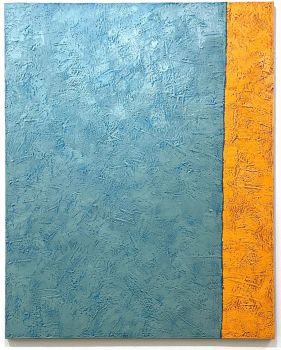
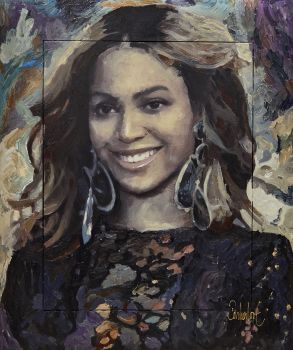
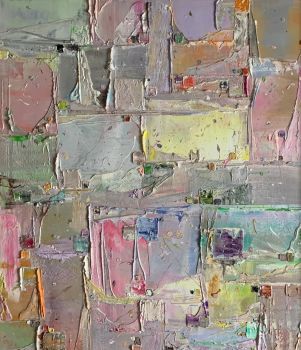
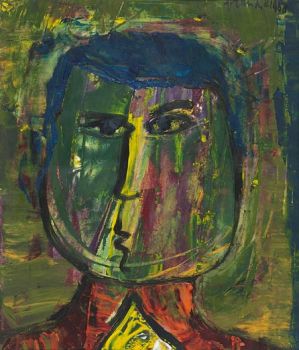
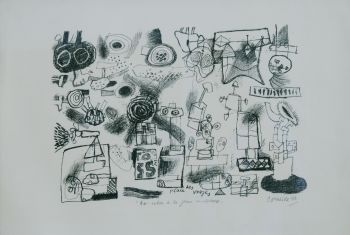
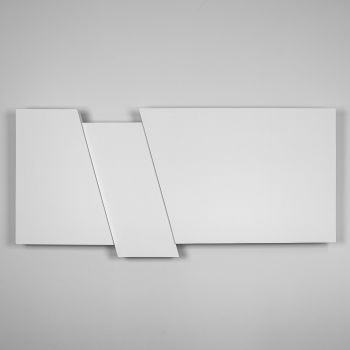
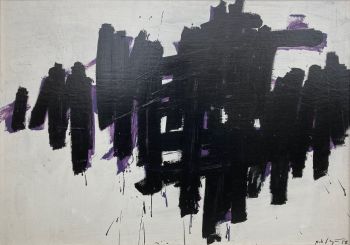
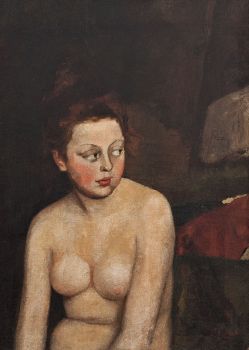
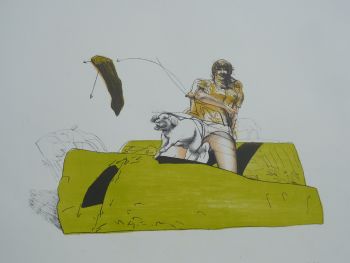
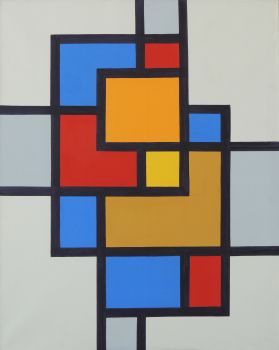
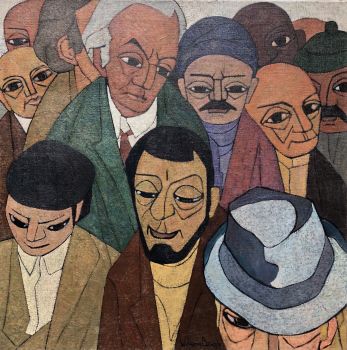
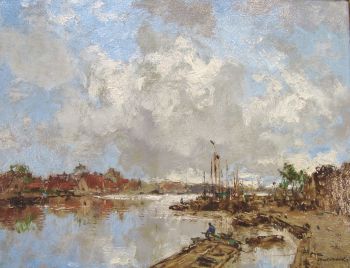
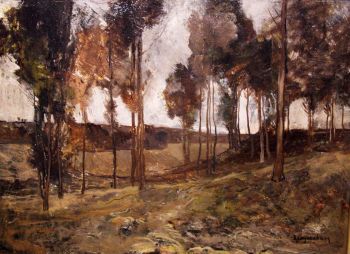
Also in Zeeland, his work remains unpredictable, but always spontaneous, intuitive and alternating between figurative and abstract.In an interview with the Provinciale Zeeuwse Courant, in September 1995, he himself says about this: "You can't think up a painting beforehand" and "I paint with my imagination". He rightly calls himself an 'Imaginative Artist'.