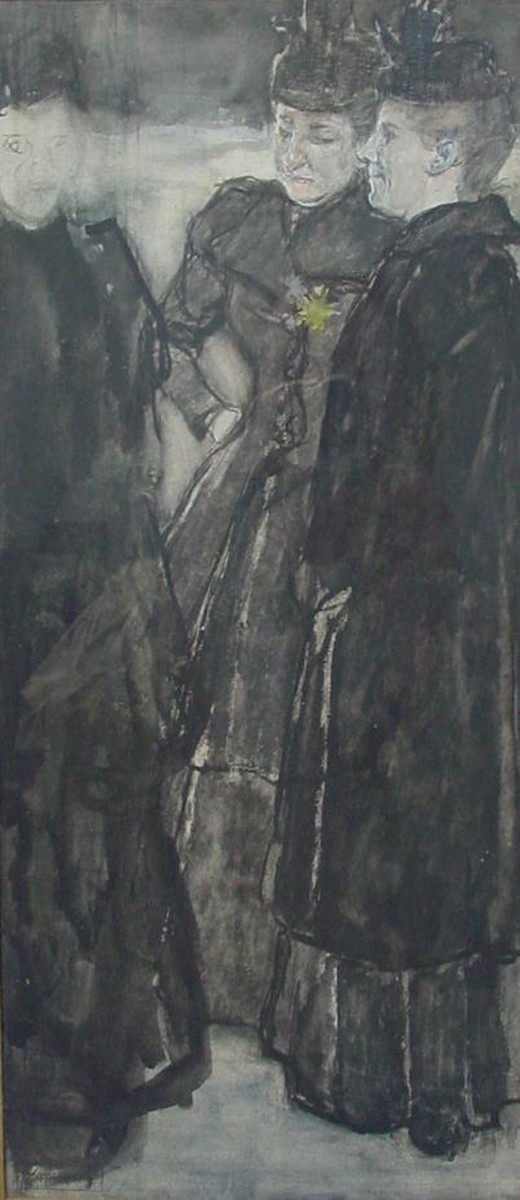
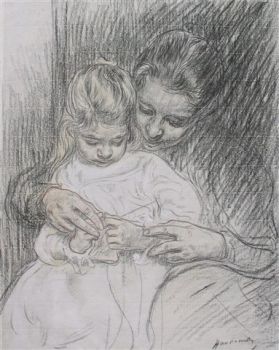
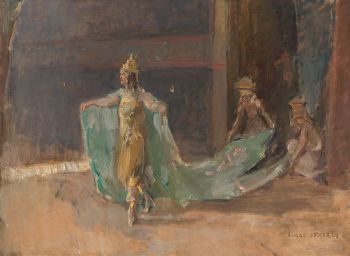
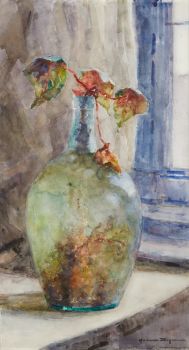
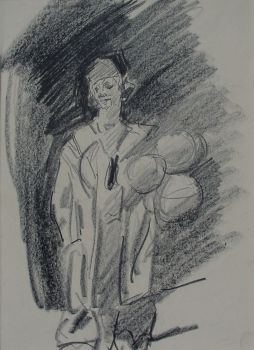
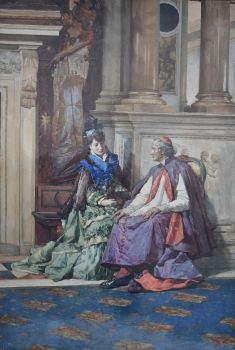
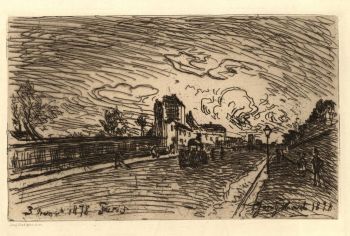
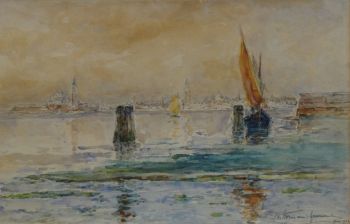
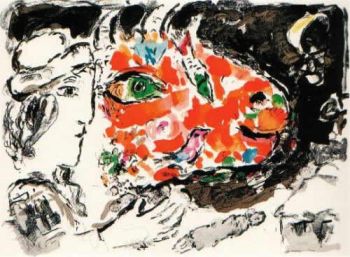
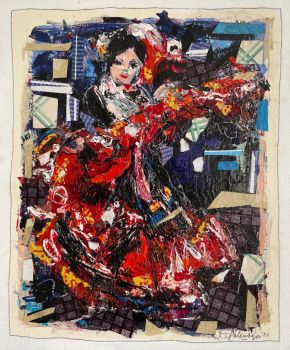
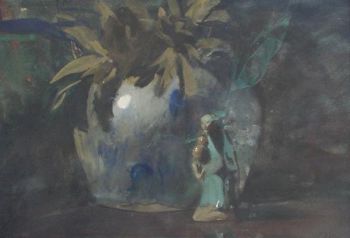
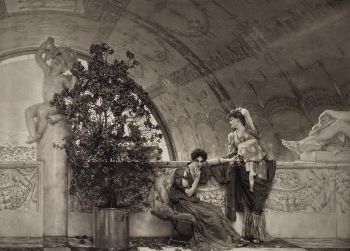
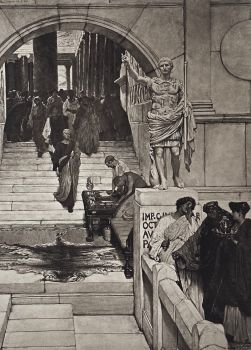
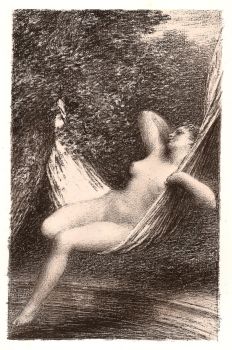
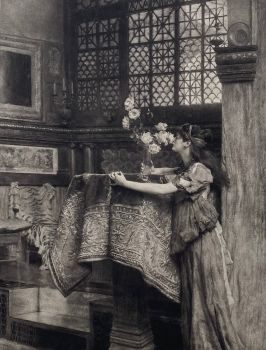
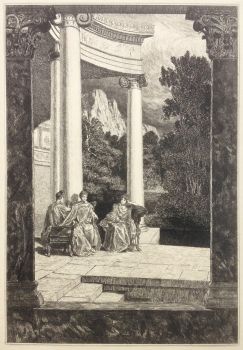
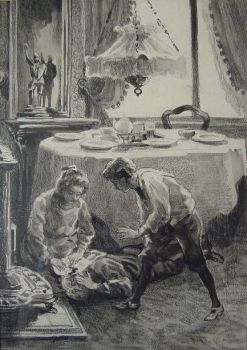
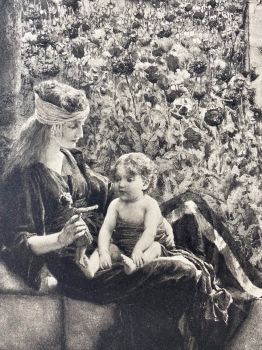
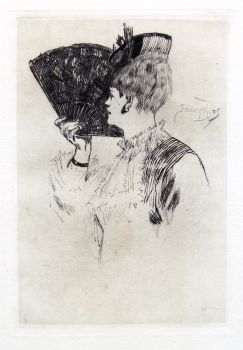
Hendrik Johannes Haverman was born on 23 October 1857 in Amsterdam. He became a leading Dutch artist, best known for his portraits, drawings and illustrations. With a keen eye for character and a subtle sense of line, Haverman captured the soul of his subjects – often in subdued, yet powerful black-and-white studies.
His artistic education began at the Rijksakademie van Beeldende Kunsten in Amsterdam, after which he refined his skills at the art academy in Antwerp. He was influenced by classical portraiture but at the same time managed to retain a modern sensibility, with great attention to expression and inner dynamics.
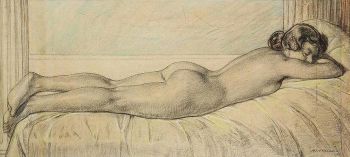
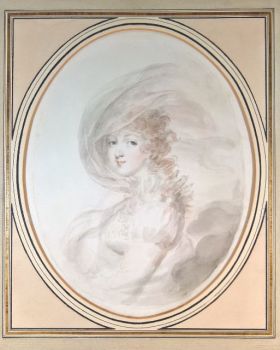
Haverman acquired fame as a portraitist of the well-to-do bourgeoisie and the intellectual elite. He drew writers, politicians and artists, among others, and his portraits regularly graced publications and exhibitions. He worked meticulously with pencil, chalk and charcoal, and developed into one of the best draughtsmen of his generation. His style is recognizable by its sober structure, subtle contour lines and expressive facial expressions.
But Haverman was more than just an artist. At a time when women were hardly admitted to art academies, he gave private lessons to many young women who wanted to become artists. His students included well-known names such as Lizzy Ansingh and Suze Robertson. In doing so, he played an important role in the emancipation of female artists in the Netherlands – a contribution that was only truly appreciated later.
In addition to his artistic work, Haverman was also active as a writer on art and culture. His essays and reviews testify to a profound reflection on the role of art in society and on the need for artistic integrity.
Hendrik J. Haverman died on 11 August 1928 in Amsterdam. His work can be found in various Dutch museums, including the Rijksmuseum. As a draftsman, teacher and thinker, he had a lasting influence on the Dutch art world – not loudly, but accurately. His portraits are silent witnesses of a man who captured the face of his time, while at the same time making room for the future.