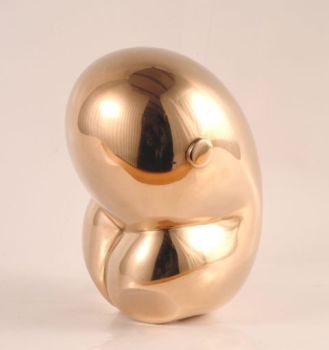
Suzanne Nicolas-Nijs was born in Kortrijk, Belgium, in 1902 and developed into a remarkable sculptor with a unique place in twentieth-century Dutch art. She settled in the Netherlands and spent much of her life in Tegelen, where she died in 1985.
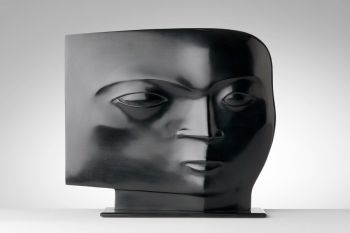
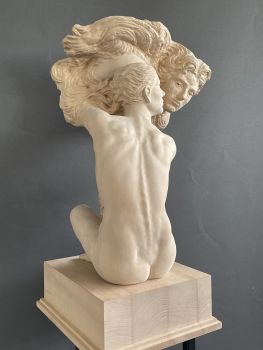
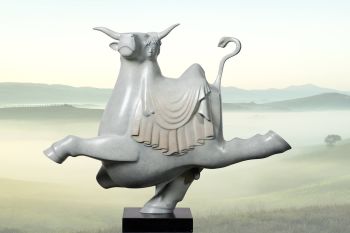
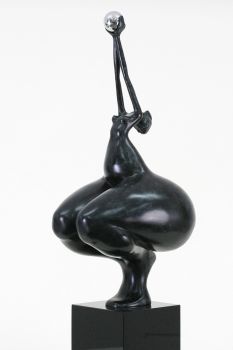
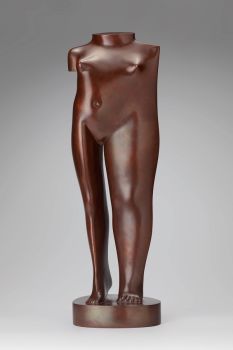
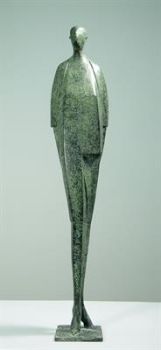
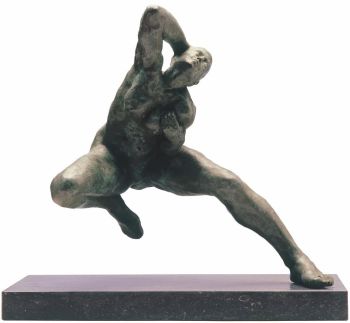
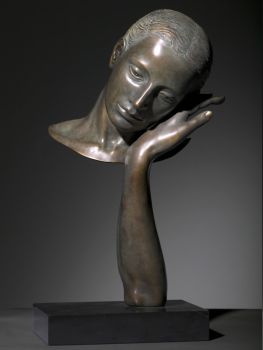
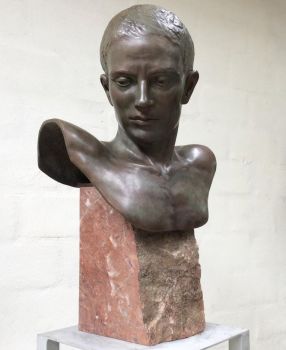
Nicolas-Nijs trained in sculpture during a period when the profession was still strongly dominated by men. Despite this context, she managed to carve out an independent position for herself. Her work is characterized by a strong figurative focus, often taking human figures and portraits as her starting point. She managed to capture a sense of character and inner life, which gives her sculptures a special intimacy.
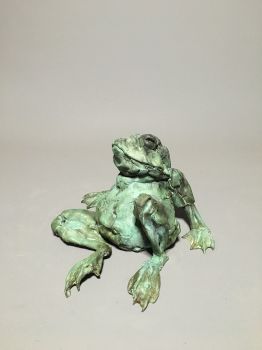
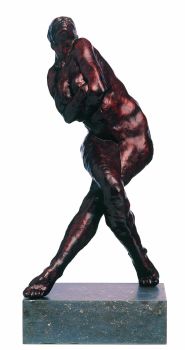
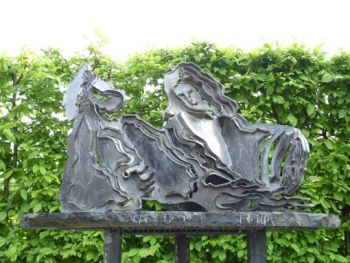
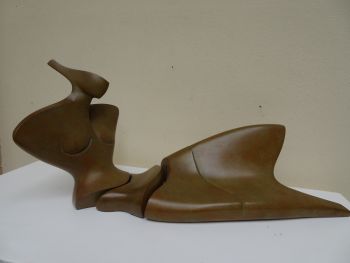
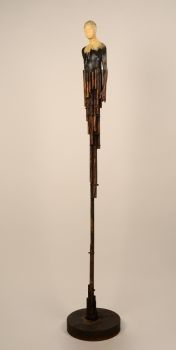
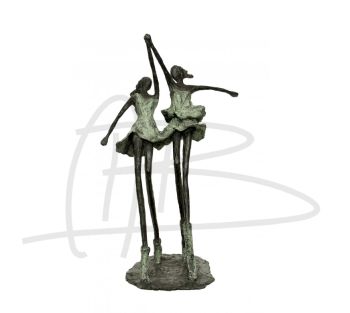
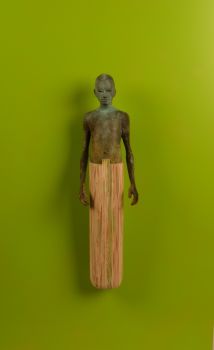
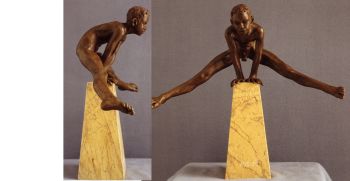
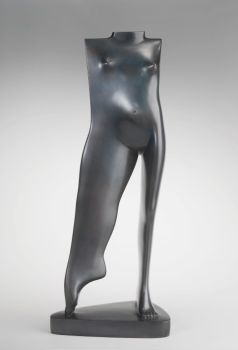
She worked primarily in stone and bronze, creating both small sculptures and larger statues. Themes such as motherhood, religious symbolism, and human dignity recur in her oeuvre. Her sculptures exude a restrained power: they are recognizable and accessible, yet always with a clear artistic refinement.
In addition to her independent work, she also created commissions for public spaces and religious contexts. Her sculptures, often with religious or symbolic meaning, can be found in churches, monasteries, and institutions. At the same time, she reached a wider audience through her human themes, which transcended the boundaries between sacred and profane.
As a female sculptor in the first half of the twentieth century, Suzanne Nicolas-Nijs holds a special significance: she demonstrated that craftsmanship, sensitivity, and individuality could find expression outside established male channels. She can therefore be seen as an important, if lesser-known, voice within European figurative sculpture of her time.
Her death in 1985 in Tegelen marked the end of an artistic career that spanned Belgium and the Netherlands. Her work lives on in private collections, religious institutions, and public spaces, and testifies to an artist who remained true to figuration and found her own poetic tone within it.