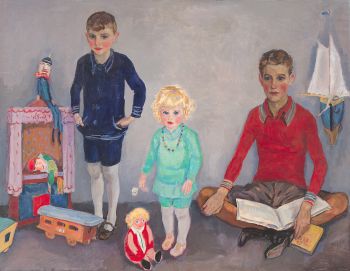
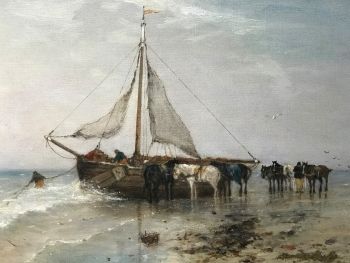
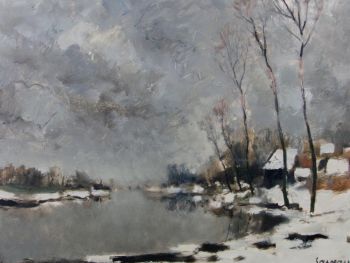
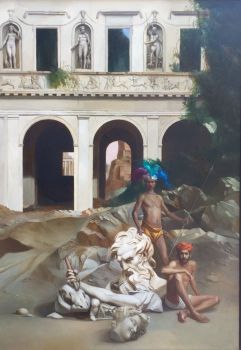
Bertha van Hasselt was born on 22 February 1878 in Zwolle, at a time when becoming an artist was not yet a self-evident path for women. Nevertheless, she managed to make her way in the Dutch art world at the beginning of the 20th century – with conviction, talent and a distinctive style. As an artist, she worked outside the beaten track of academic realism and found her own visual language, in which colour and expression were given priority over precise representation.
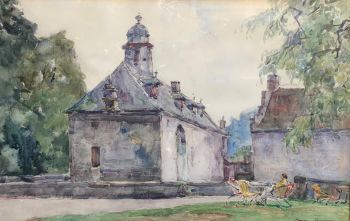
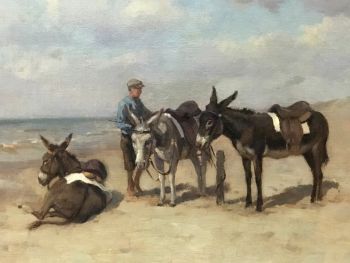
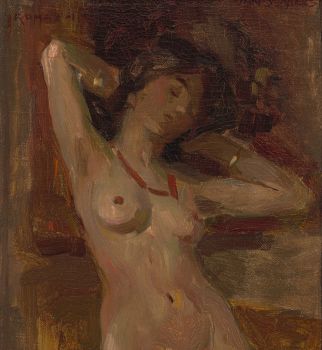
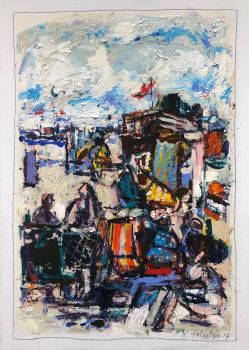
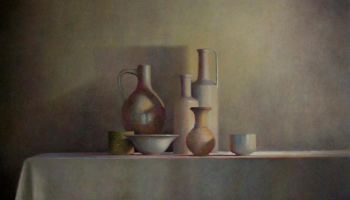
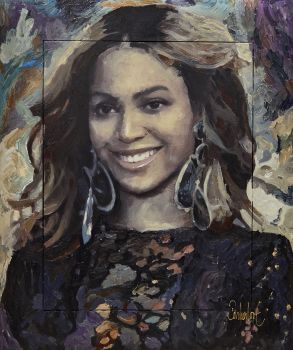
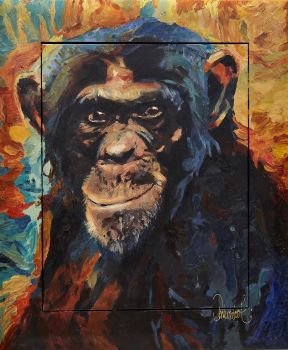
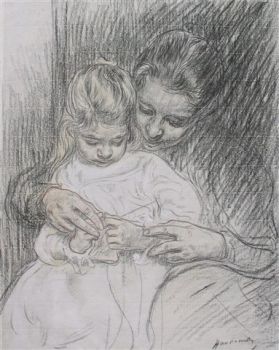
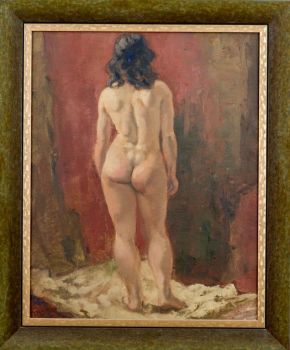
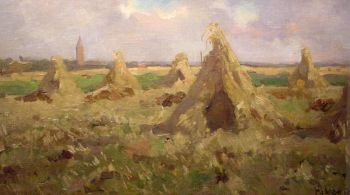
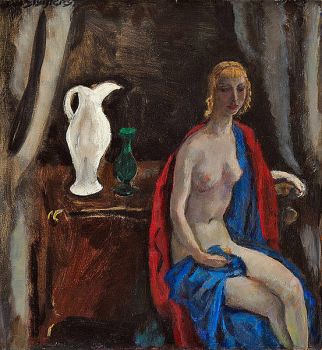
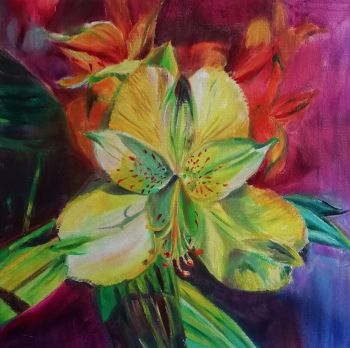
Van Hasselt studied at the Royal Academy of Art in The Hague, where she came into contact with new movements in painting. Her work shows influences from post-impressionism and symbolism, but above all it testifies to a personal and emotionally charged way of painting. She worked with full strokes and had a preference for deep, saturated colours. Themes such as portraits of women, still lifes and landscapes from her immediate environment kept recurring in her oeuvre.
Her artistry fell in a turbulent period: modernity was knocking on the door, but a certain conservatism still prevailed in the Netherlands. Nevertheless, Van Hasselt managed to secure a place in exhibitions and artist circles. She became a member of Arti et Amicitiae and Pulchri Studio, and her work was regularly shown at salons in The Hague and Amsterdam.
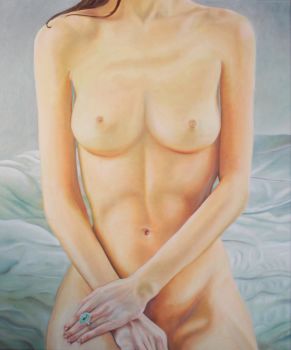
Her ability to combine introspection and strength was remarkable: the women in her portraits do not look away, but back – with self-awareness. In a time when female artists were often regarded as ‘dilettantes’, Van Hasselt managed to build up an oeuvre that testified to craftsmanship and vision. She worked a lot in the Gelderland and Overijssel regions, but also had contact with artists from the west of the country.
In 1932, Bertha van Hasselt died in Nijmegen at the age of 54. Her name largely disappeared from art history after her death, but her work is being rediscovered. It deserves recognition as part of the broader development of modern painting in the Netherlands — and as the voice of a woman who did not conform to the expectations of her time, but followed her own path of colour.