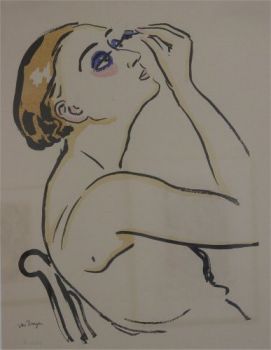
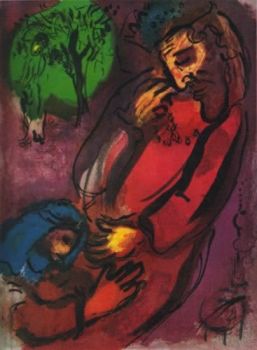
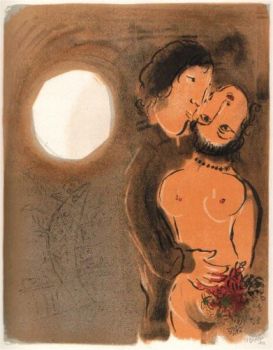
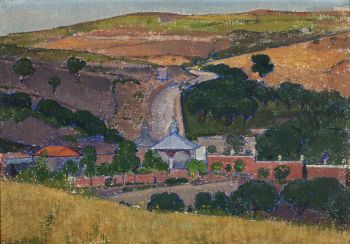
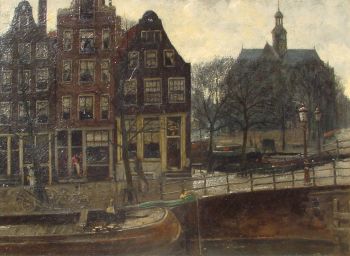
Ella Henriëtte (Elly) Tamminga (Amsterdam, 14 December 1896 – Bussum, 17 September 1983) was a Dutch painter and entrepreneur. She is also referred to as Elly Tamminga van Eysinga or Elly Eysinga-Tamminga, because of the addition of her paternal grandmother's surname.
Youth and Education
Elly grew up in a wealthy family in Amsterdam. Her father, Cornelis Tamminga, was director of the Maatschappij Amsterdams Goederenvervoer, and her mother, Wilhelmina Catharina Petronella Berendina van Oort, was active in the women's movement and swimming.
After obtaining her HBS diploma and the lower drawing certificate, Elly studied at the Rijksakademie van beeldende kunsten in Amsterdam from 1915 to 1919. Here she was taught by Jan Bronner and Antoon Derkinderen, among others. During her studies she became friends with Lou Loeber and met Karel Luberti, a politically engaged painter and essayist who would become her life partner.
Career and Artistry
In 1919 Elly took part in the Johan Gosschalk Prize, after which the academy purchased one of her paintings. After the death of her father in 1928, Elly and her sister Willy took over the management of the family business. Despite her business responsibilities, Elly remained active as an artist. Her first exhibition took place in 1924 in Welwyn Garden City, together with Loeber, Luberti and the English painter Claude Flight.
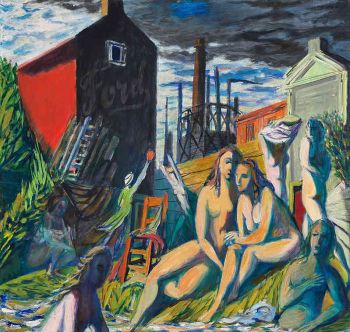
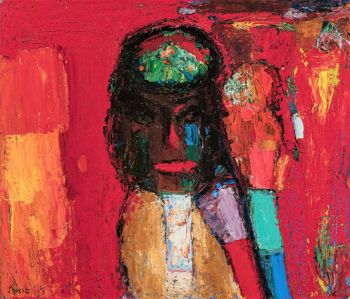
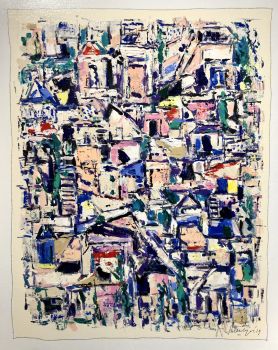
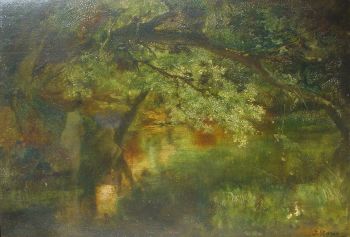
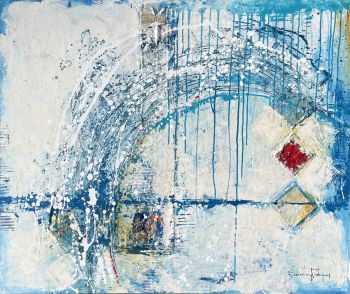
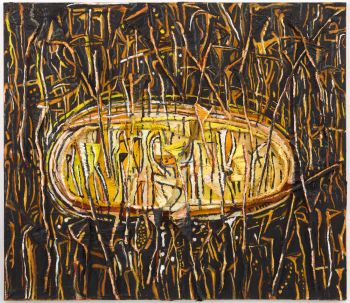
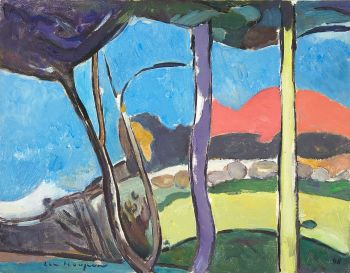
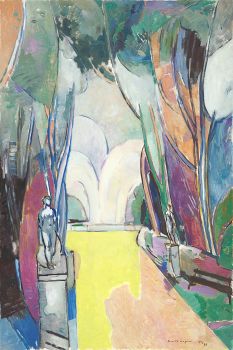
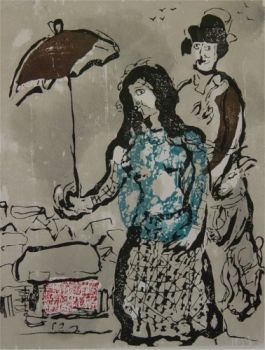
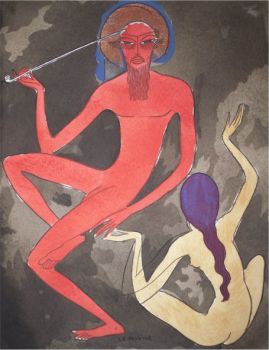
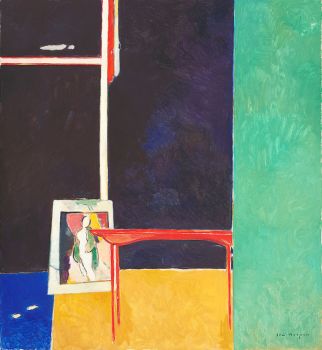
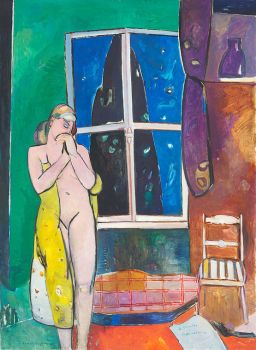
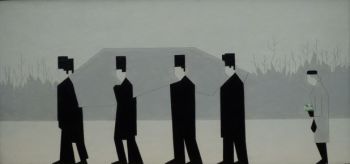
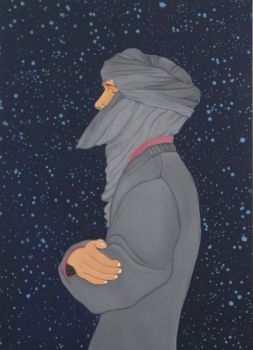
Elly's work was initially influenced by cubism, but she later developed her own style. She was a member of the Socialist Artists' Circle (SKK), founded in 1927, which aimed to promote socialist ideas in art. However, her paintings were often judged by critics as too schematic and decorative.
Later Life and Legacy
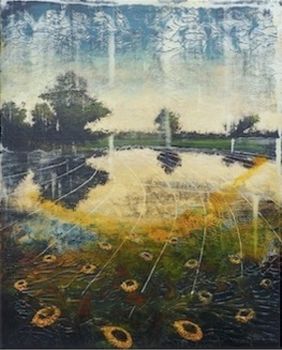
After the Second World War, Elly led a secluded life in Bussum, where Karel Luberti moved in with her. Her later works consisted mainly of landscapes and portraits, often inspired by her travels to the South of France and Italy. After her death in 1983, it turned out that she had left behind an extensive oeuvre of approximately 1100 works, which she donated to the Vereniging Rembrandt.
Elly Tamminga's work can now be found in collections such as that of the Centraal Museum in Utrecht.