Portret van Leberta Resina Rijken Berens by Beint Mankes

Portret van Leberta Resina Rijken Berens 1940 - 1980

Beint Mankes

Original oil on canvas
27 ⨯ 39 cm
ConditionMint
€ 600

Art Dumay

  • About the artwork
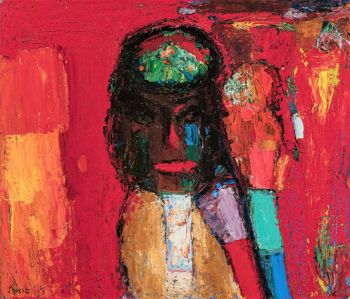
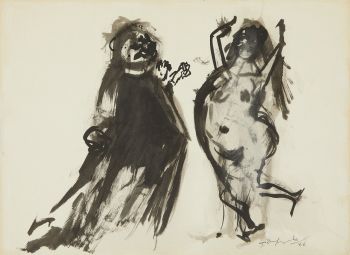
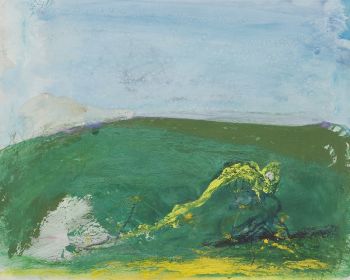
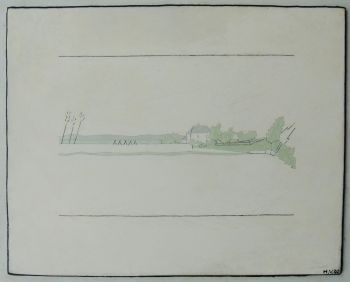
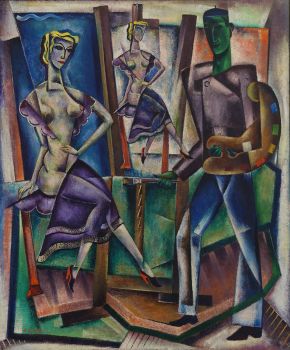
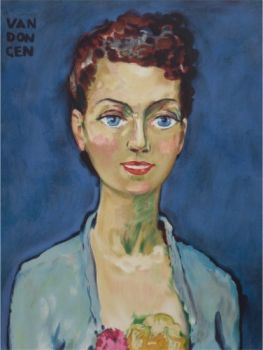
    This is an oil portrait by Beint Mankes (Brummen 1918 – Laren 1990), depicting Leberta Resina Rijken Berens. Beint Mankes was the son of the painter Jan Mankes. He studied at the art academies in Rotterdam and The Hague, after which he worked for well-known advertising agencies in Amsterdam.
    However, his true passion was painting. He was a member of the painters’ association in Laren and also worked extensively abroad, where he continued to devote himself to creating paintings.
  • About the artist

    Beint Mankes (1918–1990) was a Dutch painter, draftsman, and advertising designer who charted his own course within a remarkable artistic and intellectual family. As the son of Jan Mankes—whose serene, almost meditative paintings hold a permanent place in Dutch art history—and Anne Mankes-Zernicke, the first female minister in the Netherlands, he grew up in an environment where attention, reflection, and expression were central.

    Although his father's legacy inevitably influenced the perception of his work, Beint Mankes developed his own contemporary visual language. His oeuvre moves between fine art and applied design: in addition to paintings and drawings, he also made a name for himself as an advertising designer, in which he managed to combine artistic sensitivity with clear visual communication. This combination of craftsmanship and functionality gives his work a down-to-earth directness, without sacrificing subtlety.

    In his paintings and drawings, there is sometimes still an echo of the subdued atmosphere that characterized his father, but always filtered through a more modern perspective and a practical approach. In doing so, Beint Mankes forms an interesting link between tradition and innovation—an artist who not only built upon a remarkable heritage but also managed to transform it into his own recognizable practice.

Are you interested in buying this artwork?