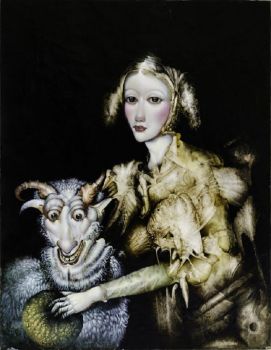
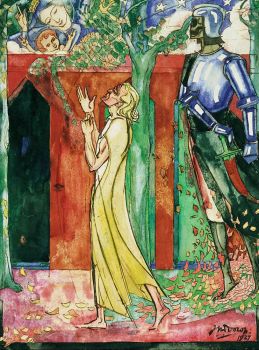
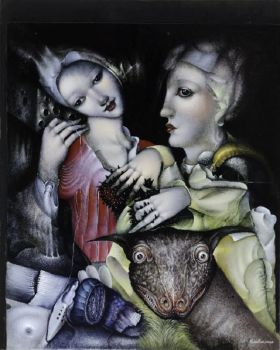
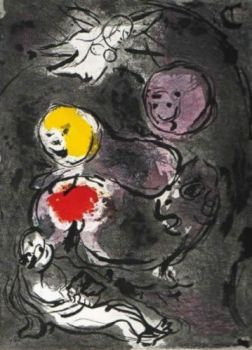
Marinus Dittlinger (1896–1954) was a Dutch painter and draftsman whose work reflects the turbulent transition from traditional to more modern movements in the early twentieth century. Although his name is less well-known to the general public today, his oeuvre testifies to a quiet strength and a keen eye for the changing world around him.
Born in 1896 during a period of cultural upheaval, Dittlinger grew up in a Netherlands that was balancing between the preservation of old values and the arrival of new ideas. He probably received his education at local drawing schools, where he thoroughly mastered the classical techniques of painting and drawing. Yet he was not limited by academic conventions: his work shows a gradual but clear evolution towards a more personal, expressive style.
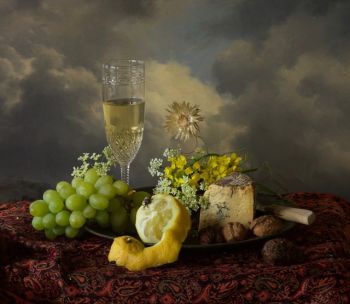
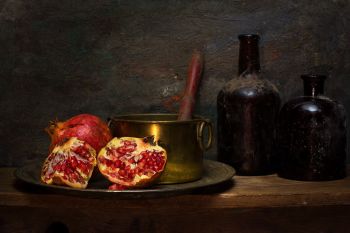
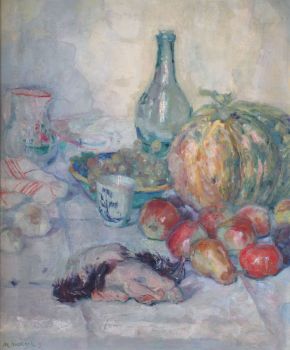
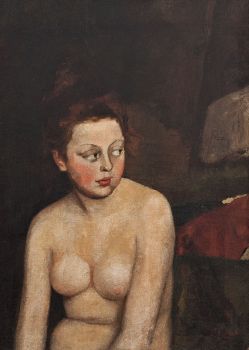
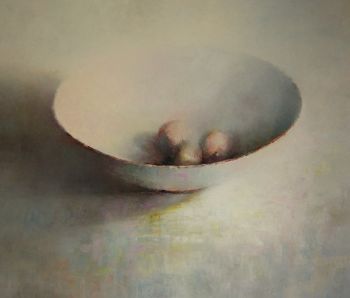
In his early years, Dittlinger focused mainly on portraits, still lifes and cityscapes. His paintings from this period are characterised by refined detailing and a subtle, almost melancholic atmosphere. He had a special talent for capturing the everyday moment — a quiet street after the rain, a yellowed book on a table — with a kind of subdued poetry.
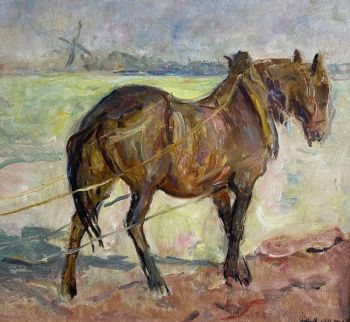
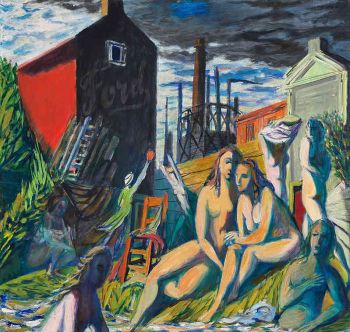
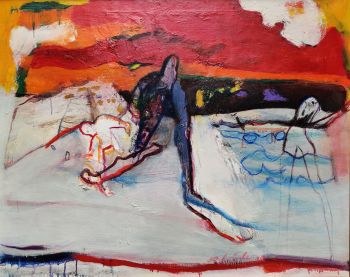
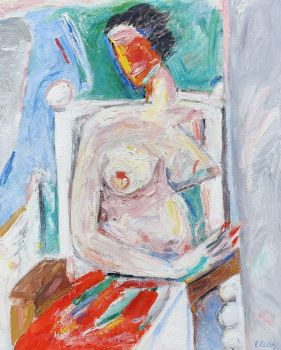
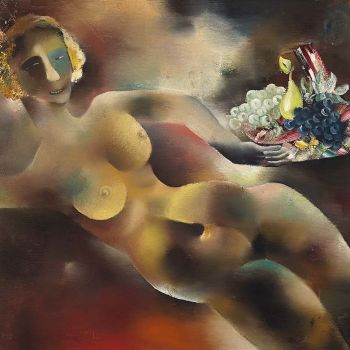
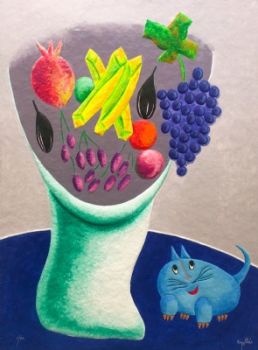
After the First World War, in a time of social unrest and artistic innovation, Dittlinger began to experiment with more modern influences. Impressed by movements such as Expressionism and New Realism, his palette shifted to more powerful colors and more pronounced brushstrokes. Yet he always remained an artist of nuance, more interested in inner experience than in radical rupture.
Dittlinger lived and worked largely outside the major art centers, which allowed him to chart his own course without having to conform to the tastes of the masses. This gave his work an authentic character: earthy, human and free from fashionable frills.
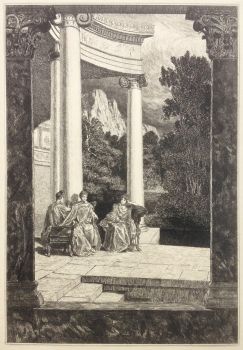
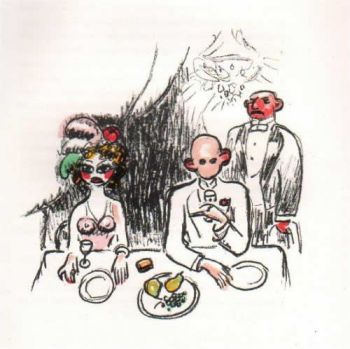
He died in 1954, in relative silence. His legacy — consisting of paintings, drawings and a few graphic works — is especially appreciated by connoisseurs who recognize the quiet power and timeless sensitivity in his work.
Marinus Dittlinger is an example of the artist who did not necessarily unleash revolutions, but whose work, like a silent river, makes visible the undercurrent of his time: true to the human scale, and always searching for beauty in the ordinary.