Wout Maters was born in IJmuiden in 1931 and became one of the prominent Dutch sculptors of the second half of the twentieth century. He trained at the Rijksakademie van beeldende kunsten in Amsterdam, where he specialized in sculpture and mastered the art of working with bronze and stone. His artistic practice was strongly influenced by the post-war reconstruction period, when sculptors were often commissioned for public spaces and art played a role in beautifying the living environment.
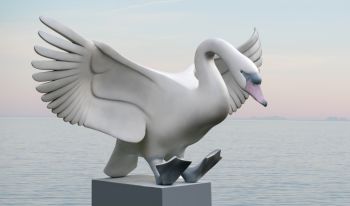
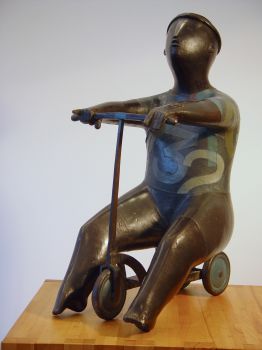
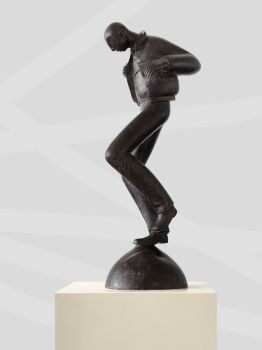
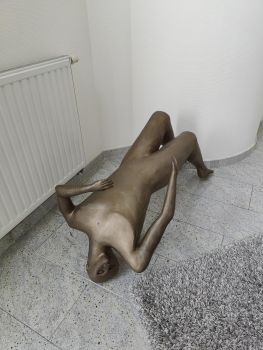
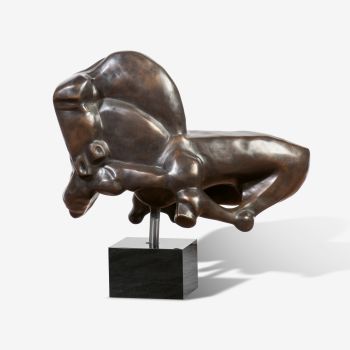
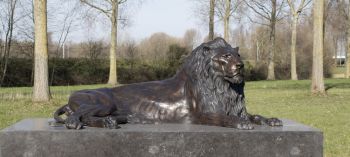
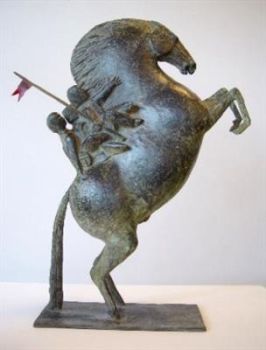
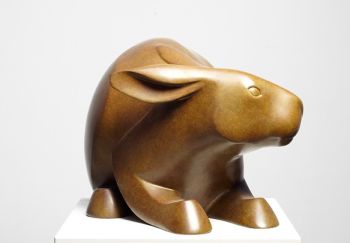
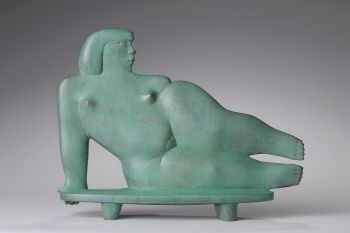
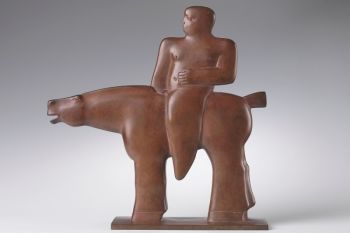
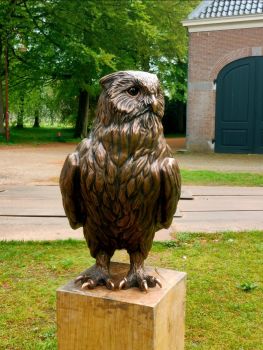
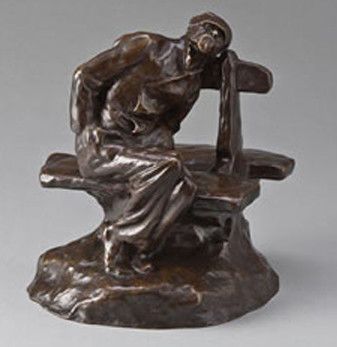
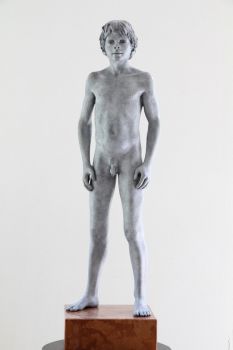
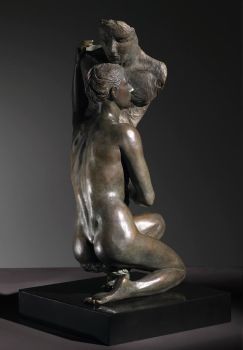
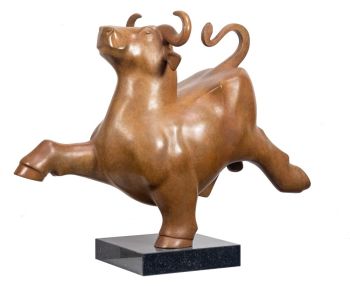
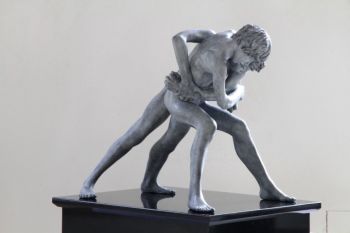
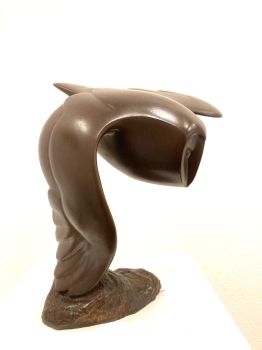
Maters's oeuvre is characterized by a clear preference for figuration. He created human figures and animal motifs that radiate strength and simplicity. His sculptures are clearly shaped, easily readable by a wide audience, and often exhibit a subdued dignity. Precisely because of their recognizability and accessibility, many of his works have found a permanent place in public spaces, where they remain part of everyday life.
From the 1960s to the 1980s, Maters received commissions from municipalities, institutions, and schools. His sculptures can be found in various cities and towns, particularly in Utrecht and the surrounding area, where he later settled. Here, he created monumental and memorial sculptures, among other things, that emphasize the connection between art and community.
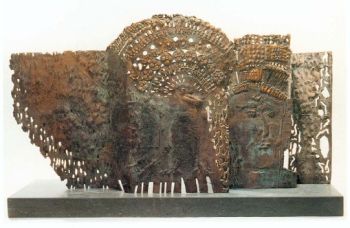
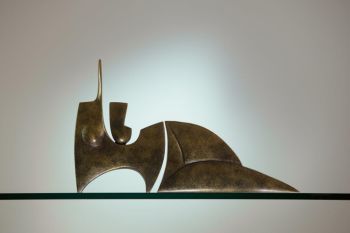
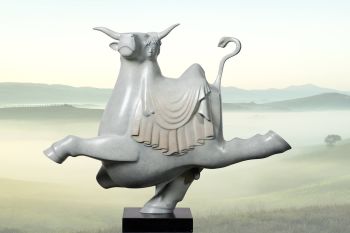
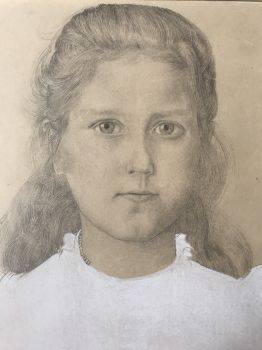
In addition to his work in public spaces, he created smaller bronze sculptures, often portraits or intimate depictions, that combine the power of the material with refined modeling. These works found their way into private collections and exhibitions.
Wout Maters remained true to the figurative tradition throughout his life, at a time when many colleagues were moving towards abstraction and conceptual art. This makes him one of the artists who kept figurative sculpture alive and relevant in the Netherlands.
He died in 2017 in Utrecht, the city where he had worked and lived for much of his life. His sculptures in public spaces form a lasting, tangible trace of his artistry and make him an artist who, without getting lost in fashions or radical breaks, made an honest and recognizable contribution to Dutch post-war sculpture.