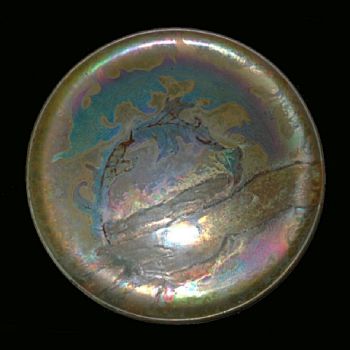
A Kangxi aubergine- and turquoise-glazed brush rest and water pot 1662 - 1722
Artiste Inconnu
5 ⨯ 9.50 cm
ConditionGood
€ 2.200
Menken Works of Art
Êtes-vous intéressé par l'achat de cette oeuvre?
Related artworks


Artiste Inconnu
A Chinese powder-blue-ground blue and white ‘Budai’ dish, Kangxi period1662 - 1722
Prix sur demandeMenken Works of Art

Artiste Inconnu
A Chinese famille verte ‘fishermen’ bowl, Kangxi period (1662-1722)1662 - 1722
Prix sur demandeMenken Works of Art
Artiste Inconnu
A Chinese powder-blue-ground blue and white ‘Budai’ dish, Kangxi period1662 - 1722
Prix sur demandeMenken Works of Art
Artiste Inconnu
A Chinese famille verte ‘fishermen’ bowl, Kangxi period (1662-1722)1662 - 1722
Prix sur demandeMenken Works of Art
Artiste Inconnu
A Chinese famille verte ‘fishermen’ bowl, Kangxi period (1662-1722)1662 - 1722
Prix sur demandeMenken Works of Art

Artiste Inconnu
A Chinese powder-blue-ground blue and white ‘Budai’ dish, Kangxi period1662 - 1722
Prix sur demandeMenken Works of Art

Artiste Inconnu
A rare Chinese blue and white bottle vase, Ming dynasty, Wanli period1573 - 1620
Prix sur demandeMenken Works of Art

Artiste Inconnu
Set Arita 'dog training' plates, 18th century 1700 - 1730
Prix sur demandeVerkoulen Oriental & European Antiques


Artiste Inconnu
A Chinese famille verte ‘fishermen’ bowl, Kangxi period (1662-1722)1662 - 1722
Prix sur demandeMenken Works of Art
Artiste Inconnu
A Chinese famille verte ‘fishermen’ bowl, Kangxi period (1662-1722)1662 - 1722
Prix sur demandeMenken Works of Art
Artiste Inconnu
A rare Chinese blue and white bottle vase, Ming dynasty, Wanli period1573 - 1620
Prix sur demandeMenken Works of Art
Artiste Inconnu
A Chinese powder-blue-ground blue and white ‘Budai’ dish, Kangxi period1662 - 1722
Prix sur demandeMenken Works of Art
Artiste Inconnu
A Chinese powder-blue-ground blue and white ‘Budai’ dish, Kangxi period1662 - 1722
Prix sur demandeMenken Works of Art

Artiste Inconnu
A rare Chinese blue and white bottle vase, Ming dynasty, Wanli period1573 - 1620
Prix sur demandeMenken Works of Art

Artiste Inconnu
A pair of Dutch Colonial Solid Satinwood Chairs, Ceylon 18th century1725 - 1750
Prix sur demandeMenken Works of Art
Artiste Inconnu
A Chinese powder-blue-ground blue and white ‘Budai’ dish, Kangxi period1662 - 1722
Prix sur demandeMenken Works of Art