Picador by Rafael Illana Díez

Picador 1963

Rafael Illana Díez

Huile sur toile originaleTechniques mixtes
94 ⨯ 67 cm
ConditionExcellent
Prix sur demande

Gallerease Selected

  • Sur l'oeuvre d'art
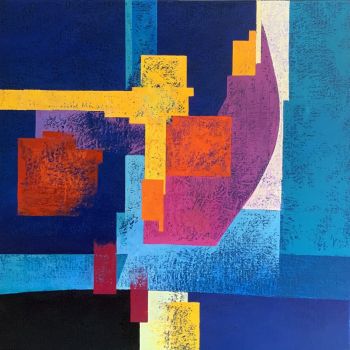
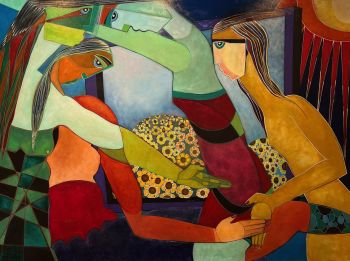
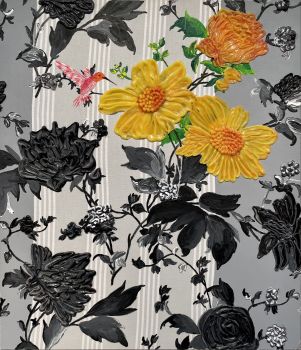
    Nice expressive and cubistic artwork of Spanish picador a little bit in the style of Picasso.
    The artwork has fresh colours and is decorated with subtile textile decorative motifs and reliefs.

    The picador has three main functions in a traditional bullfight: To pierce the muscle on the back of the bull's neck in order to - straighten the bull's charge. To fatigue the bull's neck muscles and general stamina as it tries to lift the horse with its head. To lower the bull's head in preparation for the next stage.

    If the public feels that a picador is better than the bull the public will whistle, boo or jeer as they see fit. This is because they do not want the bull to lose all its strength and energy as this can lead to a dull bullfight.

    The picador is obliged to give the bull two lances in a first-category bullring (Barcelona, Madrid, Sevilla, Zaragoza etc.), but the matador may request that the second be waived in second- and third-category rings. The bull may receive three lances if it is particularly ferocious.

    The aim of the bull to charge the picador is often cited as the biggest test of its courage. A bull that does not charge may be punished with a black banderilla, which although somewhat longer than a normal banderilla is largely symbolic and a mark of shame for the breeder.[citation ne
  • Sur l'artiste

    Rafael Illana Díez est né à Barcelone en 1940 et est devenu un artiste polyvalent et coloré sur la scène artistique espagnole et internationale. Sa formation artistique s'est déroulée à l'Academia Baixas de Barcelone, puis à la célèbre Grande Chaumière de Paris, berceau des artistes d'avant-garde européens.

    En 1964, Illana reçoit le prestigieux Prix de Dessin du Cercle Maillol, suivi d'une bourse du gouvernement français. Cette reconnaissance marque le début d'une carrière internationale, avec des expositions à la galerie Kira de Palma de Majorque (1963), entre autres, puis à Madrid, Barcelone, Valence, León, Francfort, Munich et New York. Il a participé à des expositions collectives de premier plan, telles que les Salones de Mayo de Barcelone, le Salon des Indépendants de Paris et Pintores Figurativos de la España de Hoy (Boston et New York, 1970).

    Son travail se situe à l’intersection de la figuration et de la magie. Le critique A.M. Campoy a bien résumé son style : « Derrière son réalisme apparent se cache un colorisme magique — exprimé dans des tons clairs et vitaux — avec lequel il compose de nouvelles natures mortes avec des tissus imprimés et des fantaisies enfantines décoratives qui forment une parodie joyeuse de la tradition sérieuse de Velazquez. »

    Les peintures d’Illana ont remporté plusieurs prix, dont le premier prix du III Certamen Juvenil de Arte et une mention honorable à la IV Bienal Ciudad de Tarrasa. Son œuvre fait aujourd’hui partie de collections telles que celle de la Kunsthalle de Francfort et reste appréciée internationalement pour son utilisation originale de la couleur et de son ironie subtile.

Êtes-vous intéressé par l'achat de cette oeuvre?