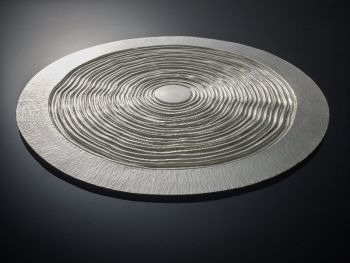
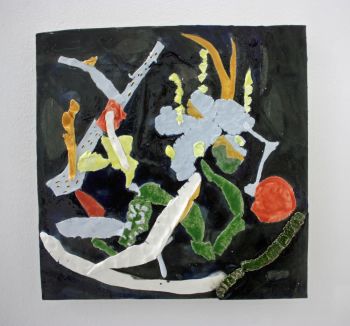
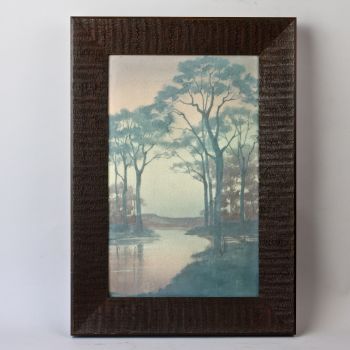
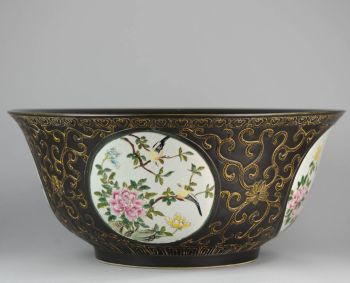
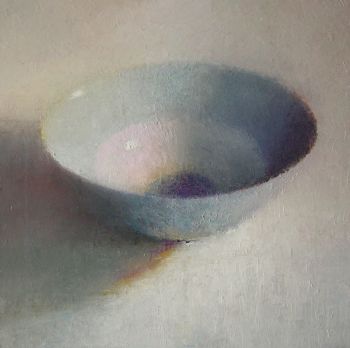
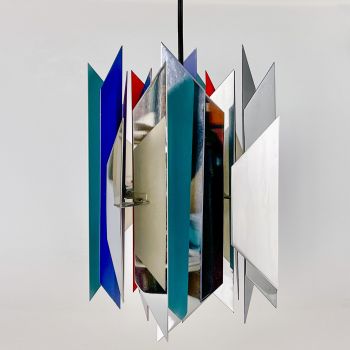
A unique glazed stoneware deep dish – Gustavsberg Sweden by Stig Lindberg

A unique glazed stoneware deep dish – Gustavsberg Sweden 1974

Stig Lindberg

PietraSmaltoGresDipingere
6 cm, ø 24 cm
ConditionVery good
€ 750

Van Kerkhoff Art
  • A proposito di opere d'arte
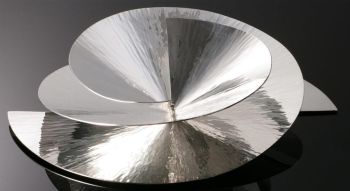
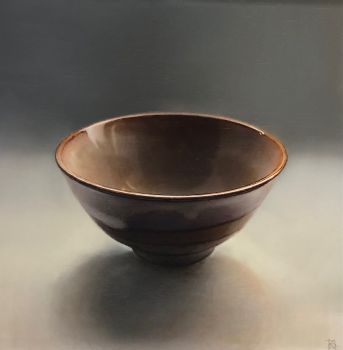
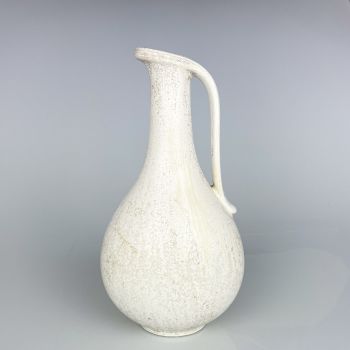
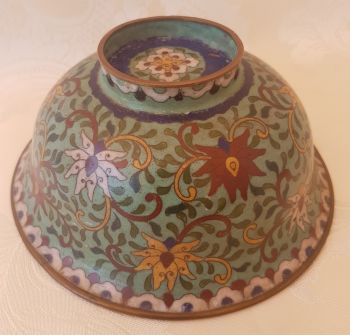
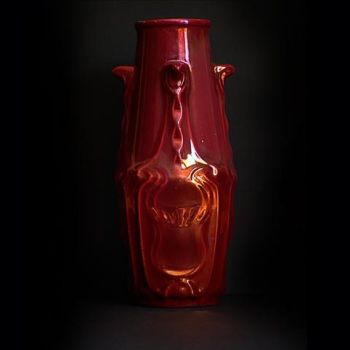
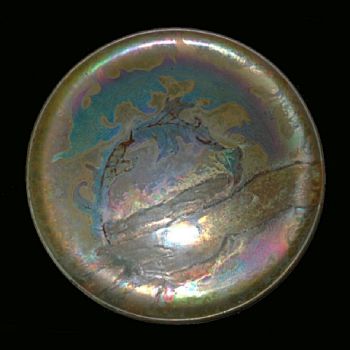
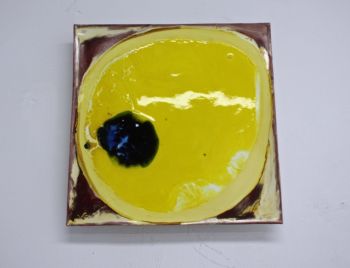
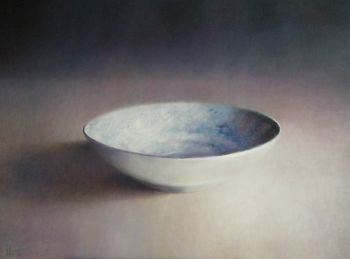
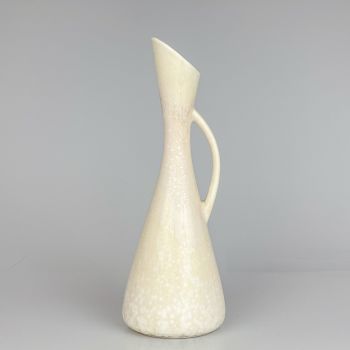
    A unique glazed stoneware deep dish. Handthrown by Stig Lindberg at the Swedish ceramics studio Gustavsberg in 1974. Fully marked.


    About Stig Lindberg
    Stig Lindberg (1916–1982) was a Swedish designer and ceramic artist whose work spanned a wide range of disciplines, from ceramics and illustration to industrial design and textiles. He is known for blending playfulness with functionality, and for helping to define Swedish design in the postwar era.

    Born in Umeå, Sweden, Lindberg studied at the University College of Arts, Crafts and Design (Konstfack) in Stockholm. In the late 1930s, he joined the Gustavsberg porcelain factory, where he worked under Wilhelm Kåge. After World War II, Lindberg became one of the factory’s leading designers and eventually took over as artistic director.

    Lindberg’s ceramics ranged from everyday tableware to one-off art pieces. He was especially known for his imaginative, sometimes whimsical designs, as well as for his ability to balance mass production with artistic expression. In addition to ceramics, he designed textiles for Nordiska Kompaniet (NK), illustrated children’s books, and created iconic industrial designs, including radio and television casings.

    His work was widely exhibited during his lifetime and attracted international attention. Today, his ceramics and other designs are included in the collections of several major museums, such as the Nationalmuseum in Stockholm, the Röhsska Museum in Gothenburg, the Victoria and Albert Museum in London, and the Cooper Hewitt Smithsonian Design Museum in New York.

    Marked
    Marked underneath the base: Stig L – G (Gustavsberg) Studio Hand – \ (1974)

    Execution
    Gustavsberg, Sweden 1974

    Condition
    This dish is in very good condition. No cracks or chips.

    Literature
    Mel Bryans – The Design Encyclopedia

    Dimensions
    Height 6,5 cm
    Diameter 24 cm
  • A proposito di opere artista

    Arne Jacobsen (1902–1971) è stato uno degli architetti e designer danesi più influenti, rinomato per il suo approccio olistico che univa perfettamente architettura, arredamento e design di prodotto in un'unica visione coerente.

    Nato a Copenaghen, Jacobsen studiò architettura presso l'Accademia Reale Danese di Belle Arti, dove le sue idee moderniste si distinsero fin da subito. Profondamente ispirato da Le Corbusier e dal movimento Bauhaus, cercò di combinare funzionalità e semplicità, dando vita a un distinto modernismo scandinavo definito da chiarezza, proporzione ed eleganza.

    L'eredità architettonica di Jacobsen include alcuni degli edifici più iconici della Danimarca, tra cui il SAS Royal Hotel di Copenaghen (1960), spesso considerato il primo "hotel di design" al mondo. Per questo progetto, progettò ogni dettaglio, dalla facciata e dagli arredi alle posate e alle maniglie delle porte, incarnando la sua filosofia del "design totale".

    Come designer, Jacobsen divenne un simbolo globale dello stile moderno. La sua Egg Chair (1958), la Swan Chair e la Series 7 Chair sono pezzi senza tempo che continuano a plasmare gli interni contemporanei in tutto il mondo. Ognuna di esse riflette la sua capacità di combinare forme organiche con un'ingegneria di precisione: bellezza e utilità in perfetto equilibrio.

    Sebbene spesso descritto come un perfezionista, il lavoro di Jacobsen irradia calore e umanità. La sua eredità vive non solo nei paesaggi urbani danesi, ma anche nelle case e negli uffici di tutto il mondo, dove i suoi progetti rimangono emblemi dell'eleganza, dell'innovazione e della sobrietà scandinave.

Sei interessato ad acquistare questa opera d'arte?