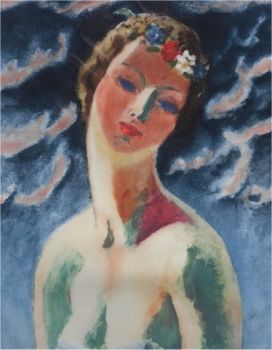
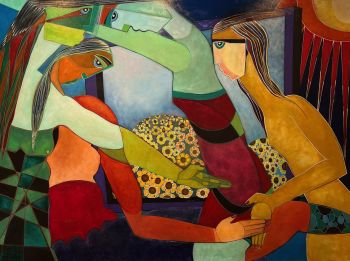
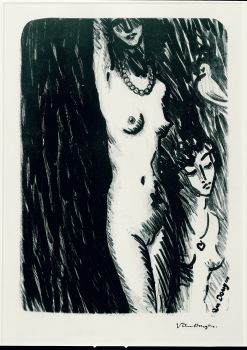
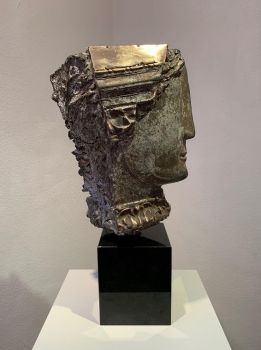
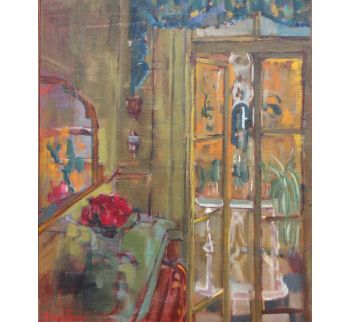
Rafael Illana Díez è nato a Barcellona nel 1940 ed è diventato un artista versatile e poliedrico nel panorama artistico spagnolo e internazionale. La sua formazione artistica ebbe luogo presso l'Accademia Baixas di Barcellona e in seguito presso la celebre Grande Chaumière di Parigi, culla degli artisti d'avanguardia europei.
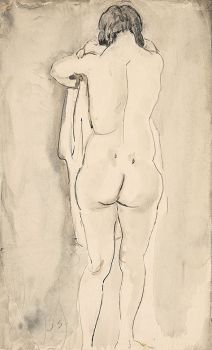
Nel 1964, Illana ricevette il prestigioso Premio de Dibujo del Cercle Maillol, seguito da una borsa di studio del governo francese. Questo riconoscimento segnò l'inizio di una carriera internazionale, con mostre nella galleria Kira de Palma de Mallorca (1963), tra le altre, e successivamente a Madrid, Barcellona, Valencia, León, Francoforte, Monaco di Baviera e New York. Partecipò a importanti mostre collettive, come il Salones de Mayo di Barcellona, il Salon des Indépendents di Parigi e Pintores Figurativos de la España de Hoy (Boston e New York, 1970).
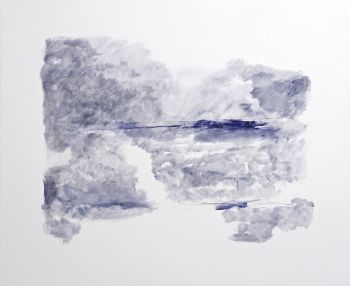
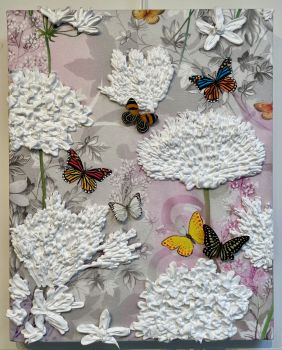
Il suo lavoro si muove all'intersezione tra figurazione e magia. Il critico A.M. Campoy ha riassunto opportunamente il suo stile: “Dietro il suo apparente realismo si nasconde un colorismo magico, espresso in toni di luce vitali, con cui compone nuove nature morte con tessuti stampati e fantasie infantili decorative che formano una parodia allegra della seria tradizione di Velazquez”.
I dipinti di Illana hanno vinto numerosi premi, tra cui il primo premio al III Certamen Juvenil de Arte e una menzione d'onore alla IV Bienal Ciudad de Tarrasa. Le sue opere fanno oggi parte di collezioni come quella della Frankfurter Kunsthalle e sono apprezzate a livello internazionale per l'uso originale del colore e la sottile ironia.




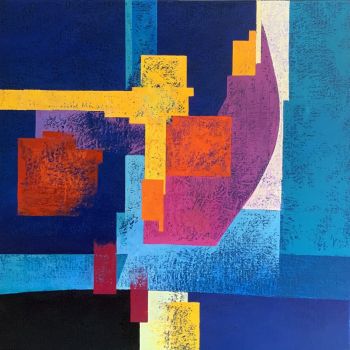


























!["SKIMMING THE WATER [MENAGE A QUATRE]" Signed book plus small artwork by LAWRENCE WEINER](https://media-2.gallerease.com/images/442bfd5f-fc31-4e18-a2fa-ee0c08eade64/350x350/skimming-the-water-menage-a-quatre-signed-book-plus-small-artwork.jpg)