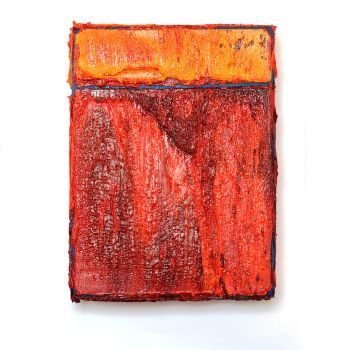
Picador by Rafael Illana Díez

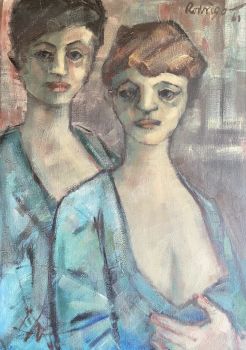
Picador 1963

Rafael Illana Díez

Óleo sobre tela originalTécnicas mistas
94 ⨯ 67 cm
ConditionExcellent
Preço em pedido

Gallerease Selected

  • Sobre arte
    Nice expressive and cubistic artwork of Spanish picador a little bit in the style of Picasso.
    The artwork has fresh colours and is decorated with subtile textile decorative motifs and reliefs.

    The picador has three main functions in a traditional bullfight: To pierce the muscle on the back of the bull's neck in order to - straighten the bull's charge. To fatigue the bull's neck muscles and general stamina as it tries to lift the horse with its head. To lower the bull's head in preparation for the next stage.

    If the public feels that a picador is better than the bull the public will whistle, boo or jeer as they see fit. This is because they do not want the bull to lose all its strength and energy as this can lead to a dull bullfight.

    The picador is obliged to give the bull two lances in a first-category bullring (Barcelona, Madrid, Sevilla, Zaragoza etc.), but the matador may request that the second be waived in second- and third-category rings. The bull may receive three lances if it is particularly ferocious.

    The aim of the bull to charge the picador is often cited as the biggest test of its courage. A bull that does not charge may be punished with a black banderilla, which although somewhat longer than a normal banderilla is largely symbolic and a mark of shame for the breeder.[citation ne
  • Sobre artista

    Rafael Illana Díez nasceu em Barcelona em 1940 e tornou-se um artista versátil e colorido no panorama artístico espanhol e internacional. A sua formação artística decorreu na Academia Baixas, em Barcelona, ​​​​e mais tarde na famosa Grande Chaumière, em Paris — berço dos artistas de vanguarda europeus.

    Em 1964, Illana recebeu o prestigiado Prémio de Dibujo del Cercle Maillol, seguido de uma bolsa do governo francês. Este reconhecimento marcou o início de uma carreira internacional, com exposições na galeria Kira de Palma de Maiorca (1963), entre outras, e posteriormente em Madrid, Barcelona, ​​Valência, Leão, Frankfurt, Munique e Nova Iorque. Participou em importantes exposições coletivas, como os Salões de Maio de Barcelona, ​​​​o Salão dos Independentes de Paris e os Pintores Figurativos de la España de Hoy (Boston e Nova Iorque, 1970).

    O seu trabalho move-se na intersecção entre a figuração e a magia. Crítico A.M. Campoy resumiu o seu estilo apropriadamente: “Por detrás do seu aparente realismo, há um colorido mágico — expresso em tons claros vitais — com o qual compõe novas naturezas-mortas com tecidos estampados e fantasias infantis decorativas que formam uma alegre paródia da séria tradição de Velázquez.”

    As pinturas de Illana ganharam vários prémios, incluindo o primeiro prémio no III Certamen Juvenil de Arte e uma menção honrosa na IV Bienal Ciudad de Tarrasa. O seu trabalho faz agora parte de coleções como a da Frankfurter Kunsthalle e continua a ser valorizado internacionalmente pelo seu uso original das cores e pela ironia subtil.

Você está interessado em comprar esta obra de arte?