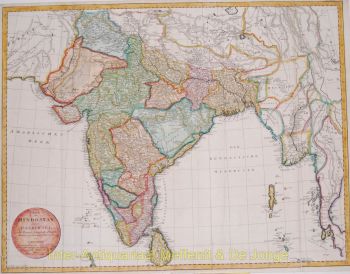
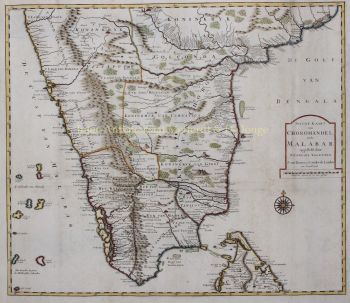
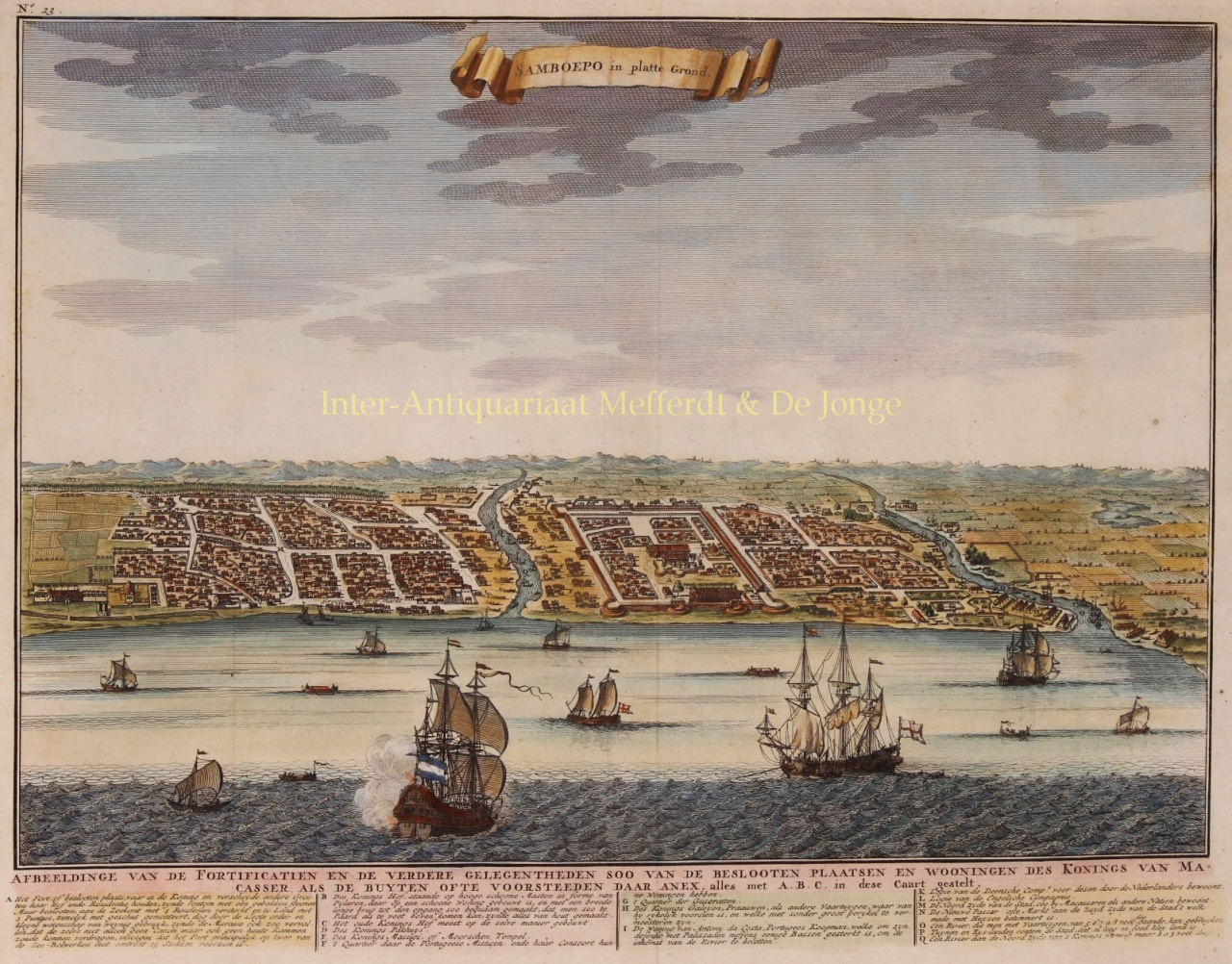
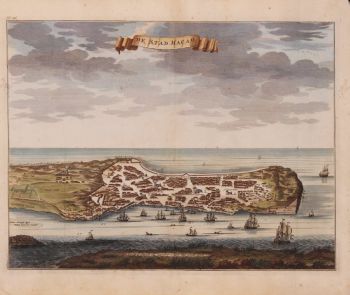
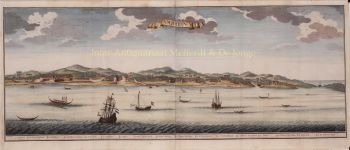
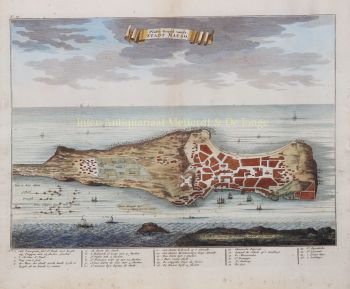
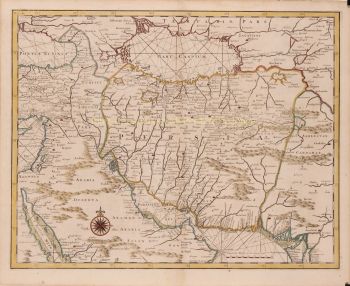
François Valentijn (Dordrecht, 17 aprile 1666 – L'Aia, 6 agosto 1727) fu un ministro, storico e cronista olandese di eccezionale importanza per la conoscenza dell'Asia all'inizio del XVIII secolo. Fu inviato due volte in Oriente al servizio della Compagnia Olandese delle Indie Orientali (VOC), un'esperienza che costituì la base per la monumentale opera della sua vita, Oud en Nieuw Oost-Indiën (Vecchie e Nuove Indie Orientali).
Dopo essere tornato nei Paesi Bassi, Valentijn si dedicò alla compilazione di quest'opera vasta e ineguagliabile, mai eguagliata per portata e livello di dettaglio. In un'epoca in cui la VOC manteneva le sue informazioni strettamente riservate, riuscì ad accumulare un vasto corpus di conoscenze utilizzando tutte le fonti orali e scritte che riuscì a ottenere. La sua forza risiedeva non solo nella curiosità e nella tenacia, ma anche nel suo talento di narratore: Valentijn scriveva in modo vivido, preciso e con una prospettiva straordinariamente ampia.
In Oud en Nieuw Oost-Indiën (Vecchie e Nuove Indie Orientali), glorificò esplicitamente la potenza e l'impero olandese in Asia. Valentijn era un convinto nazionalista e considerava sua missione principale descrivere la potenza olandese in Oriente e dimostrare così che la Repubblica non aveva perso la forza dei suoi antenati batavi. Nella prefazione alla sua opera, sottolineò il suo desiderio di rendere visibili il progresso e la gloria dei Paesi Bassi nel corso dei secoli.
Questo atteggiamento gli valse la reputazione di storico un po' egocentrico e vanitoso. Eppure, questa critica non sminuisce minimamente il valore duraturo della sua opera. È proprio attraverso le sue descrizioni dettagliate che l'interazione tra europei e asiatici diventa vividamente visibile: non solo i rapporti di potere coloniali, ma anche gli incontri culturali, le incomprensioni e le influenze reciproche trovano spazio nella sua narrazione.
François Valentijn rimane quindi una figura complessa: nazionalista e cronista allo stesso tempo, predicatore e storico, scrittore vanitoso e fonte indispensabile. La sua opera rimane un testo fondamentale per comprendere la presenza olandese in Asia e la più ampia storia mondiale dell'inizio dell'età moderna.








![RARE ARMORIAL MAP: LEO BRABANTIAE Lion of the most noble Duchy of Brabant] by Sibertus Waterloos](https://media-3.gallerease.com/images/325cc033-a3b6-495f-9da8-6d06caf29b14/350x350/rare-armorial-map-leo-brabantiae-lion-of-the-most-noble-duchy-of-brabant.jpg)