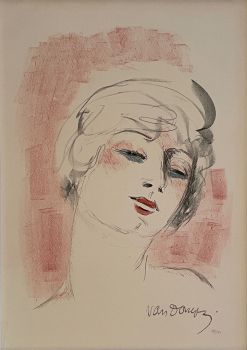
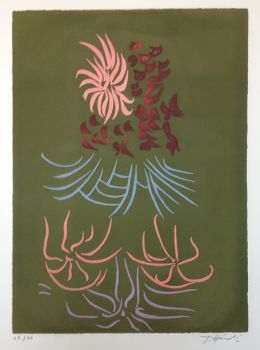
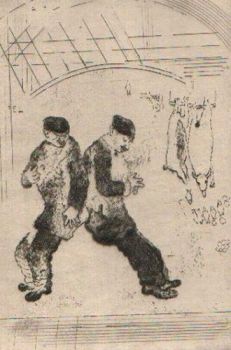
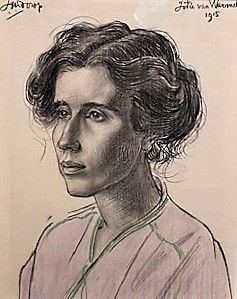
Pode acontecer que um artista ou criador seja desconhecido.
Algumas obras não devem ser determinadas por quem são feitas ou são feitas por (um grupo de) artesãos. Exemplos são estátuas dos tempos antigos, móveis, espelhos ou assinaturas que não são claras ou legíveis, mas também algumas obras não são assinadas.
Além disso, você pode encontrar a seguinte descrição:
•"Atribuído a …." Na opinião deles, provavelmente uma obra do artista, pelo menos em parte
• “Estúdio de…” ou “Oficina de” Em sua opinião um trabalho executado no estúdio ou oficina do artista, possivelmente sob sua supervisão
• "Círculo de ..." Na opinião deles, uma obra da época do artista mostrando sua influência, intimamente associada ao artista, mas não necessariamente seu aluno
•“Estilo de…” ou “Seguidor de…” Na opinião deles, um trabalho executado no estilo do artista, mas não necessariamente por um aluno; pode ser contemporâneo ou quase contemporâneo
• "Maneira de ..." Na opinião deles, uma obra no estilo do artista, mas de data posterior
•"Depois …." Na opinião deles uma cópia (de qualquer data) de uma obra do artista
• “Assinado…”, “Datado…” ou “Inscrito” Na opinião deles, a obra foi assinada/datada/inscrita pelo artista. A adição de um ponto de interrogação indica um elemento de dúvida
• "Com assinatura ….”, “Com data ….”, “Com inscrição ….” ou “Tem assinatura/data/inscrição” na opinião deles a assinatura/data/inscrição foi adicionada por outra pessoa que não o artista

![European hunting party] by Artista Desconhecido](https://media-1.gallerease.com/images/cb8cbebf-7709-4817-9bdb-fef8ae1e93cf/1280x1280~q100/european-hunting-party.jpg)