Joan Blaeu (1596-1673), nasceu em 23 de setembro de 1596 em Alkmaar.
Ele era um cartógrafo holandês nascido em Alkmaar. Ele seguiu os passos de seu pai, o cartógrafo Willem Blaeu.
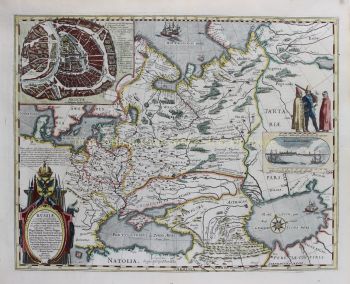
Em 1620 tornou-se doutor em direito, mas ingressou no trabalho de seu pai. Em 1635 publicaram o Atlas Novus (título completo: Theatrum orbis terrarum, sive, Atlas novus) em dois volumes. Joan e seu irmão Cornelius assumiram o estúdio depois que seu pai morreu em 1638. Joan tornou-se o cartógrafo oficial da Companhia Holandesa das Índias Orientais.
O mapa-múndi de Blaeu, Nova et Accuratissima Terrarum Orbis Tabula, incorporando as descobertas de Abel Tasman, foi publicado em 1648. Este mapa foi revolucionário porque "descreve o sistema solar de acordo com as teorias heliocêntricas de Nicolau Copérnico, que mostram a Terra girando o sol... Embora o livro inovador de Copérnico Sobre as Revoluções das Esferas tenha sido impresso pela primeira vez em 1543, pouco mais de um século antes, Blaeu foi o primeiro cartógrafo a incorporar essa revolucionária teoria heliocêntrica em um mapa do mundo."
O mapa de Blaeu foi copiado para o mapa-múndi colocado na calçada do Groote Burger-Zaal da nova Prefeitura de Amsterdã, projetado pelo arquiteto holandês Jacob van Campen (agora Palácio Real de Amsterdã), em 1655.
A Hollandia Nova de Blaeu também foi retratada em seu Archipelagus Orientalis sive Asiaticus, publicado em 1659 no Kurfürsten Atlas (Atlas do Grande Eleitor). e usado por Melchisédech Thévenot para produzir seu mapa, Hollandia Nova—Terre Australe (1664).
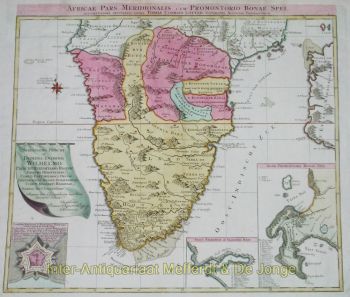
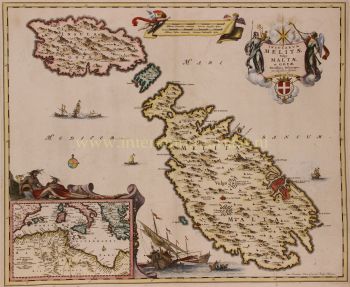
Como "Jean Blaeu", ele também publicou o volume 12 "Le Grand Atlas, ou Cosmographie blaviane, en laquelle est exactement descritte la terre, la mer, et le ciel". Uma edição é datada de 1663. Era fólio (540 x 340 mm) e continha 593 mapas e placas gravadas. Em março de 2015, uma cópia estava à venda por £ 750.000.
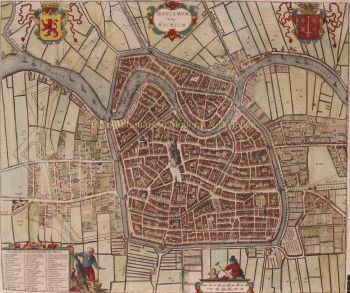
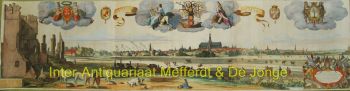
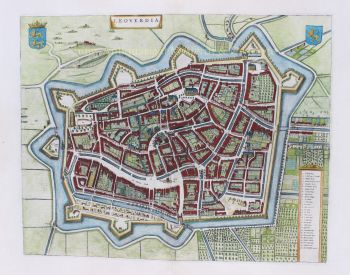
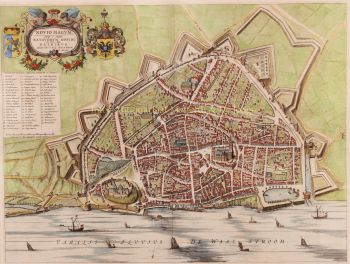
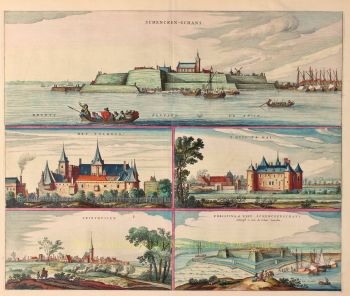
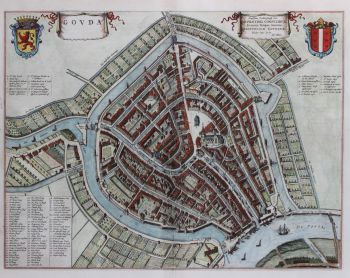
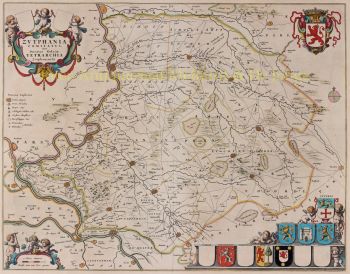
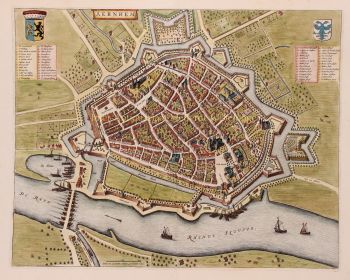
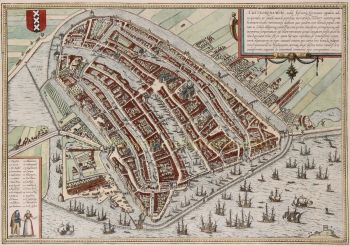
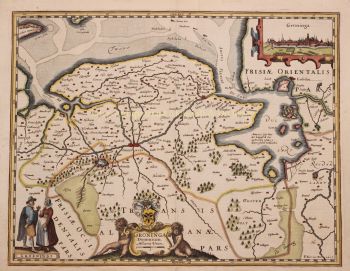
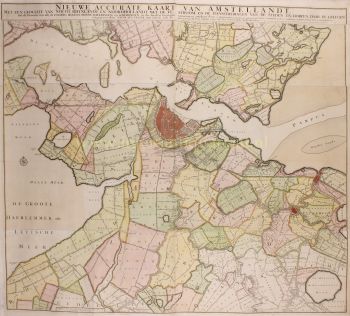
Por volta de 1649, Joan Blaeu publicou uma coleção de mapas de cidades holandesas chamada Toonneel der Steeden (Visões de cidades). Em 1651 ele foi eleito para o conselho de Amsterdã. Em 1654, Joan publicou o primeiro atlas da Escócia, elaborado por Timothy Pont. Em 1662 reeditou o Atlas Novus, também conhecido como Atlas Maior, em 11 volumes, sendo um para os oceanos.
Uma cosmologia foi planejada como seu próximo projeto, mas um incêndio destruiu o estúdio completamente em 1672.
Joan Blaeu morreu em Amsterdã no ano seguinte, 1673. Ele foi enterrado no Westerkerk em Amsterdã.











































![European hunting party] by Artista Desconhecido](https://media-2.gallerease.com/images/cb8cbebf-7709-4817-9bdb-fef8ae1e93cf/350x350/european-hunting-party.jpg)