Philip Sadée (Haia, 7 de fevereiro de 1837 – Haia, 14 de dezembro de 1904) foi um pintor holandês que conquistou uma posição de destaque no mundo artístico de Haia no século XIX. Formado na Academia de Haia e no atelier de Jacobus-Evardus-Josephus van den Berg, desenvolveu uma sólida base técnica que aprimorou ainda mais durante uma viagem de estudo a Düsseldorf em 1866, juntamente com o seu colega Julius Jacobus van de Sande Bakhuyzen.
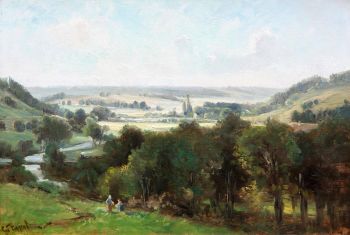
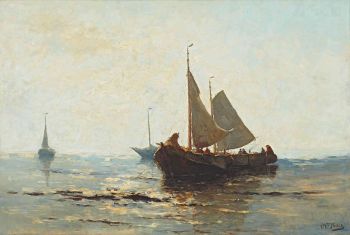
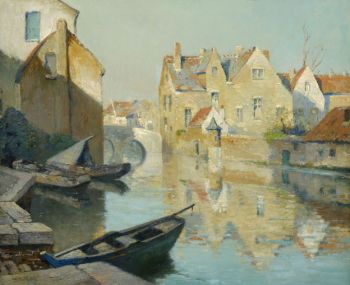
Sadée tornou-se particularmente conhecido pelas suas serenas e atmosféricas cenas de praia e pesca, frequentemente passadas na costa de Scheveningen. Nestas obras, retrata o quotidiano dos pescadores e agricultores numa forma ligeiramente romantizada de realismo social: homens e mulheres a recolher a pesca, a contemplar o horizonte ou debruçados sobre a terra. As suas representações transpiram tranquilidade e dignidade, e demonstram um profundo respeito pela existência simples e laboriosa. Para além destes temas, Sadée também explorou assuntos históricos e religiosos. A sua obra testemunha um amplo interesse artístico, alimentado pelas viagens por França, Alemanha, Bélgica e Itália, entre outros países, bem como pela região francesa de Pas-de-Calais. O seu trabalho foi regularmente exposto em Amesterdão, Roterdão e Haia durante meio século, e foi membro da associação de artistas Arte et Amicitiae em Amesterdão.
Enquanto professor na Academia de Haia, Sadée transmitiu o seu conhecimento a uma nova geração de artistas, entre os quais Hendrikus M. Horrix. A sua obra teve repercussões não só na Holanda, mas também no Reino Unido, onde conquistou um número considerável de colecionadores.
Atualmente, as suas pinturas integram diversas coleções de museus, incluindo o Rijksmuseum em Amesterdão e museus em Haia, Dordrecht, Leeuwarden e Otterlo, entre outros, bem como coleções internacionais em cidades como Sheffield e Bremen. A obra de Sadée permanece uma homenagem contida, mas comovente, à vida no litoral e às pessoas que dela dependiam.