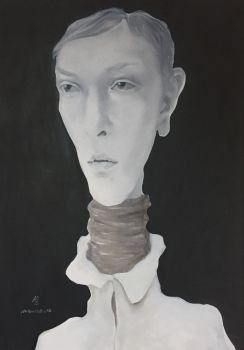
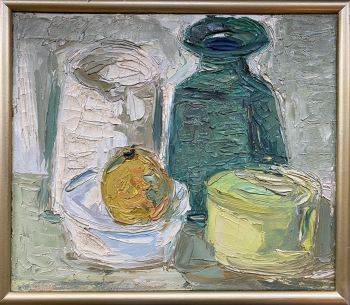
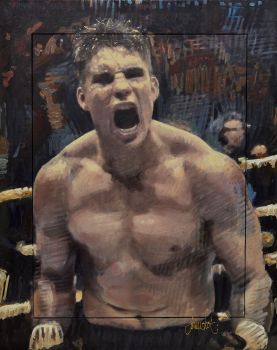
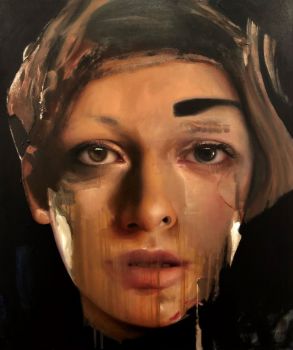
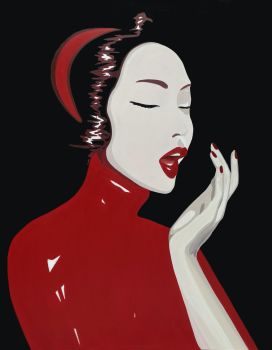
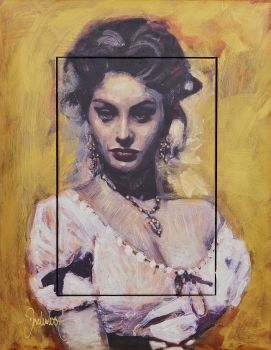
Arie Zuidersma (Emmer-Erfscheidenveen, 6 January 1925 – Zuidlaren, 4 April 2014) was a Dutch artist, known for his expressive paintings with an explosive use of colour. His oeuvre includes paintings, drawings, portraits, murals, decors, sculptures and graphics.
Zuidersma started drawing and painting after the Second World War. Although his father would have liked him to succeed him at the insurance office, Arie chose art. He took lessons for a year at the Academie Minerva in Groningen, including with Evert Musch, but developed further as an autodidact.
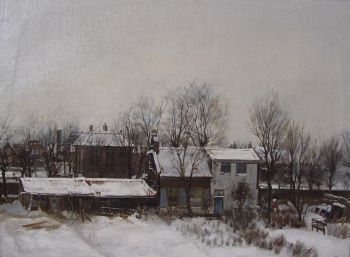
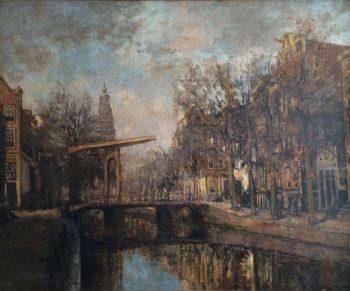
In 1954 he met Marten Klompien, with whom he was commissioned by the municipality of Groningen to paint places that would disappear or change. This led to a lifelong friendship and collaboration; they could often be found outside together, painting along the road.
His first solo exhibition took place in 1959 at Galerie De Mangelgang in Groningen. Here he was noticed by members of the painters' collective De Ploeg, such as Johan Dijkstra and Hendrik de Vries. In the late sixties he became a member of De Ploeg, but in 1978 he canceled his membership due to disagreement about the collective's policy and admission requirements.
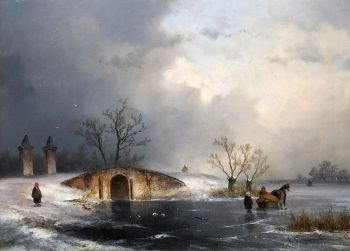
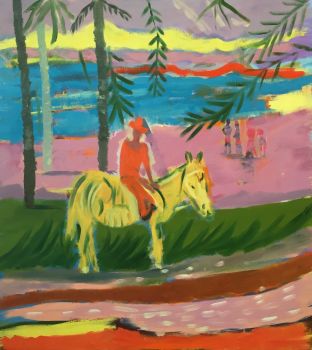
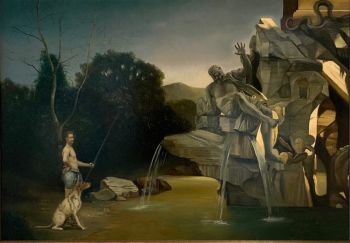
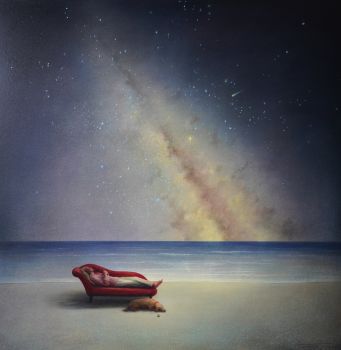
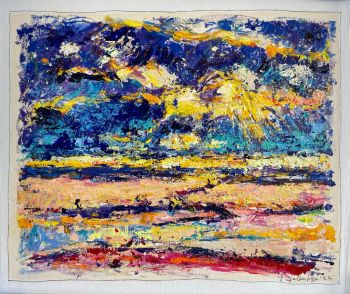
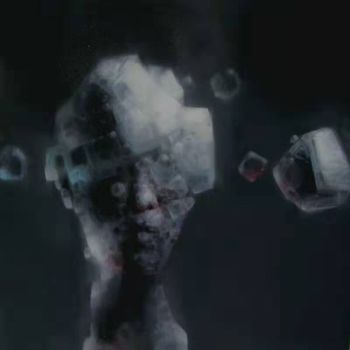
In the sixties Zuidersma experimented with acrylic paint because of its fast drying time, which made painting outdoors easier. His colours became increasingly brighter over the years, with striking use of orange and purple. His style evolved from surrealist-expressionist in the seventies to abstract in the eighties, inspired by the Italian painter Afro. After his eighties he returned to the figurative, with a focus on Groningen and Drenthe farms and landscapes.
In addition to painting, Zuidersma was involved in linocuts, enamel art, lithographs and etchings. He acted in the company of Dick van Peursen, made sets, performed in cabaret-style performances and played various musical instruments. He was married to Sietske Oostmeijer and lived and worked in Groningen, and from 1992 in Zuidlaren.
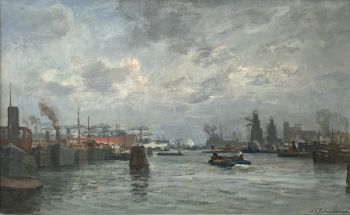
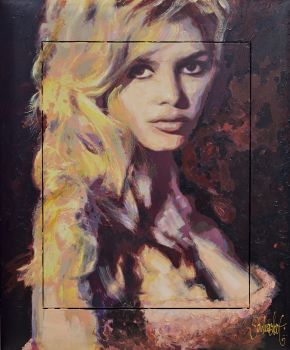
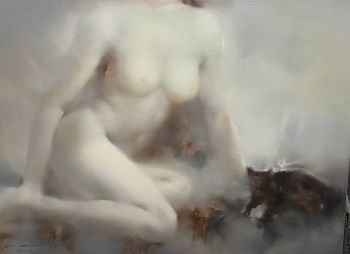
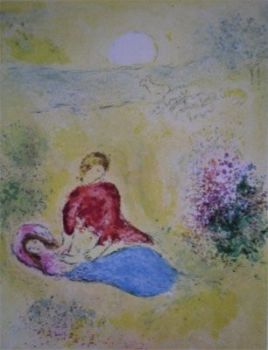
Arie Zuidersma's work is characterized by powerful, colorful expressionist representations of figures, landscapes and cityscapes. His legacy lives on in the Dutch art world, where his works are still appreciated and exhibited.