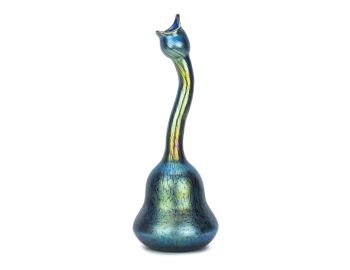
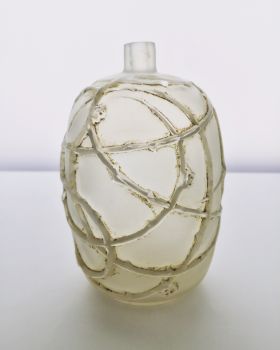
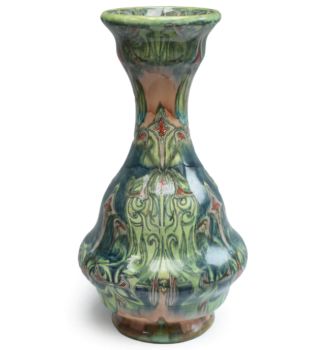
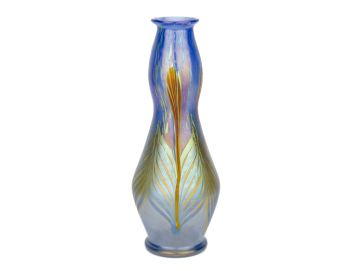
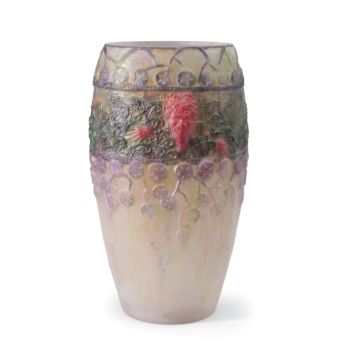
Johann Loetz Witwe – Phänomen Genre 1/473 vase 1901 - 1902
Johann Loetz (Lötz) Witwe Klostermühle
25 cm, ø 13 cm
ConditionExcellent
€ 5.950
Antiques Emporium
Sei interessato ad acquistare questa opera d'arte?
Related artworks

Johann Loetz (Lötz) Witwe Klostermühle
Johann Loetz Witwe – Phänomen Genre 8065 – Thea1899 - 1900
Prezzo su richiestaAntiques Emporium
Johann Loetz (Lötz) Witwe Klostermühle
Johann Loetz Witwe – Phänomen Genre vaas in blauw opaal – 19021902 - 1903
Prezzo su richiestaAntiques Emporium

Johann Loetz (Lötz) Witwe Klostermühle
Johann Loetz Witwe – Phänomen Genre 299 – Tricolor vase1900 - 1902
Prezzo su richiestaAntiques Emporium

Johann Loetz (Lötz) Witwe Klostermühle
Johann Loetz Witwe – Phänomen Genre 1/18 vase1901 - 1905
Prezzo su richiestaAntiques Emporium
Johann Loetz (Lötz) Witwe Klostermühle
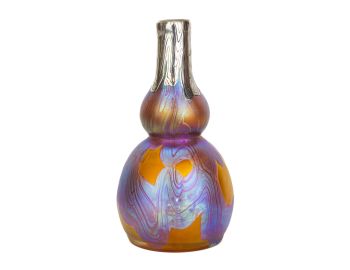
Johann Loetz Witwe - Phänomen Genre 7773 – Orange1900 - 1910
Prezzo su richiestaAntiques Emporium

Johann Loetz (Lötz) Witwe Klostermühle
Johann Loetz Witwe – Phänomen Genre 377- silver overlay1900 - 1902
Prezzo su richiestaAntiques Emporium

Johann Loetz (Lötz) Witwe Klostermühle
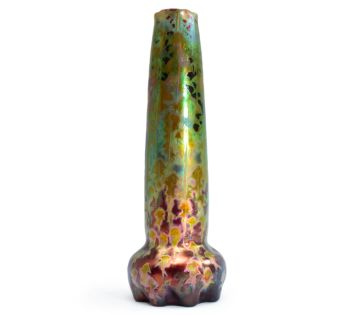
Johann Loetz Witwe – Phänomen Genre 299 – Tricolor vase1900 - 1902
Prezzo su richiestaAntiques Emporium


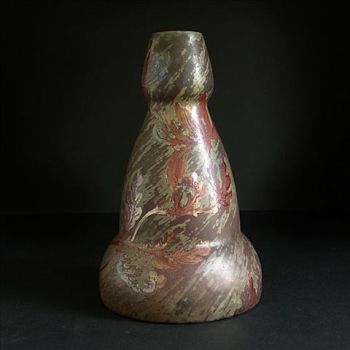
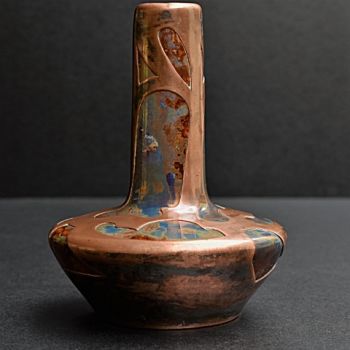


Johann Loetz (Lötz) Witwe Klostermühle
Johann Loetz Witwe – Phänomen Genre 377- silver overlay1900 - 1902
Prezzo su richiestaAntiques Emporium
Johann Loetz (Lötz) Witwe Klostermühle
Johann Loetz Witwe – Phänomen Genre 299 – Tricolor vase1900 - 1902
Prezzo su richiestaAntiques Emporium

Johann Loetz (Lötz) Witwe Klostermühle
Johann Loetz Witwe – Phänomen Genre 1/18 vase1901 - 1905
Prezzo su richiestaAntiques Emporium


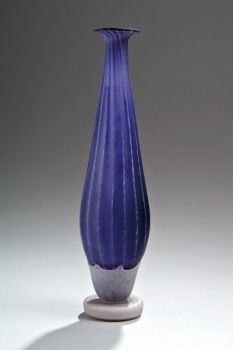


Johann Loetz (Lötz) Witwe Klostermühle
Johann Loetz Witwe – Phänomen Genre 377- silver overlay1900 - 1902
Prezzo su richiestaAntiques Emporium
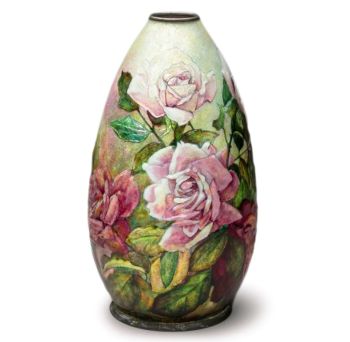
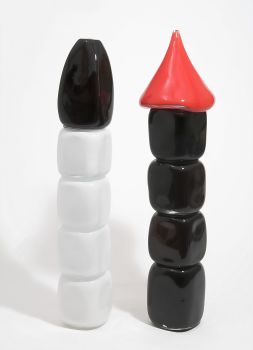
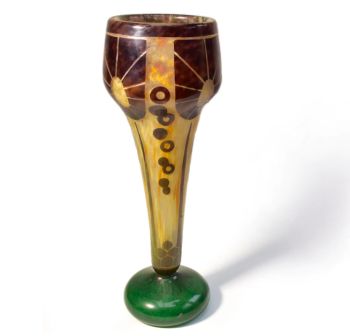
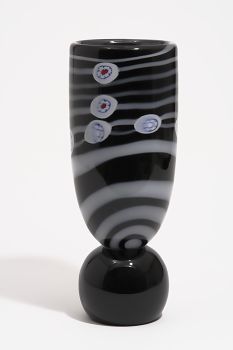

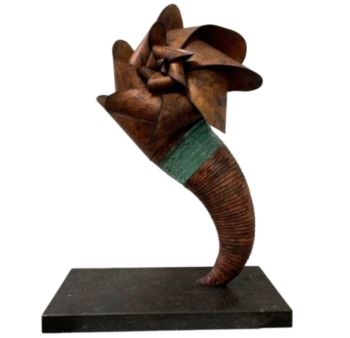

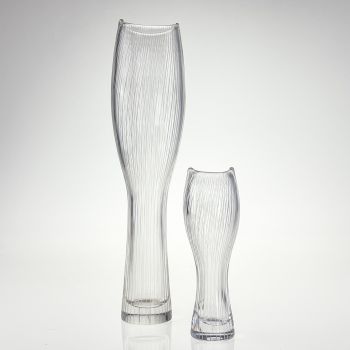
Tapio Wirkkala
Two rare Art-objects, model 3585 & 3586 – Iittala, Finland1956
Prezzo su richiestaVan Kerkhoff Art


Artista Sconosciuto
François-Théodore Legras – Tall “Fleurs de Pommier” apple blossoms vase1900 - 1909
Prezzo su richiestaAntiques Emporium
Johann Loetz (Lötz) Witwe Klostermühle
Johann Loetz Witwe – Phänomen Genre vaas in blauw opaal – 19021902 - 1903
Prezzo su richiestaAntiques Emporium
Johann Loetz (Lötz) Witwe Klostermühle
Johann Loetz Witwe – Phänomen Genre 1/18 vase1901 - 1905
Prezzo su richiestaAntiques Emporium

Daum Nancy
Daum Nancy – Tall Bryones / Bryonia dioica vase with applied berries1902 - 1907
Prezzo su richiestaAntiques Emporium
Johann Loetz (Lötz) Witwe Klostermühle
Johann Loetz Witwe – Phänomen Genre 8065 – Thea1899 - 1900
Prezzo su richiestaAntiques Emporium
Johann Loetz (Lötz) Witwe Klostermühle
Johann Loetz Witwe – Phänomen Genre 299 – Tricolor vase1900 - 1902
Prezzo su richiestaAntiques Emporium
Johann Loetz (Lötz) Witwe Klostermühle
Johann Loetz Witwe – Phänomen Genre 377- silver overlay1900 - 1902
Prezzo su richiestaAntiques Emporium


Frères Foundry Susse
Auguste Ledru – Gilded Bronze Art Nouveau Ewer-Vase – Susse Frères, Paris1898 - 1902
Prezzo su richiestaAntiques Emporium
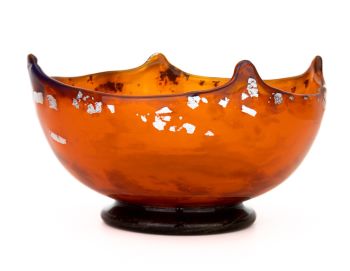
Johann Loetz (Lötz) Witwe Klostermühle
Johann Loetz Witwe - Phänomen Genre 7773 – Orange1900 - 1910
Prezzo su richiestaAntiques Emporium